Korean Fashion Online Shopping: Everyday Pieces, Baggy Jeans and Acubi Style

Korean fashion online shopping editorial guide

Two retailer pages provide a useful starting point for Korean fashion online shopping: YesStyle’s Women’s Korean Fashion page presents tops, dresses, outerwear and other everyday-focused pieces, while LEWKIN foregrounds baggy jeans, Acubi streetwear and K-pop styles. They are not interchangeable destinations. One offers a broad wardrobe-category entry point; the other makes its streetwear direction explicit. Start with the silhouette you actually expect to wear, then inspect each individual product page before treating a trend label as a promise of fit or quality.

Korean fashion online shopping editorial guide
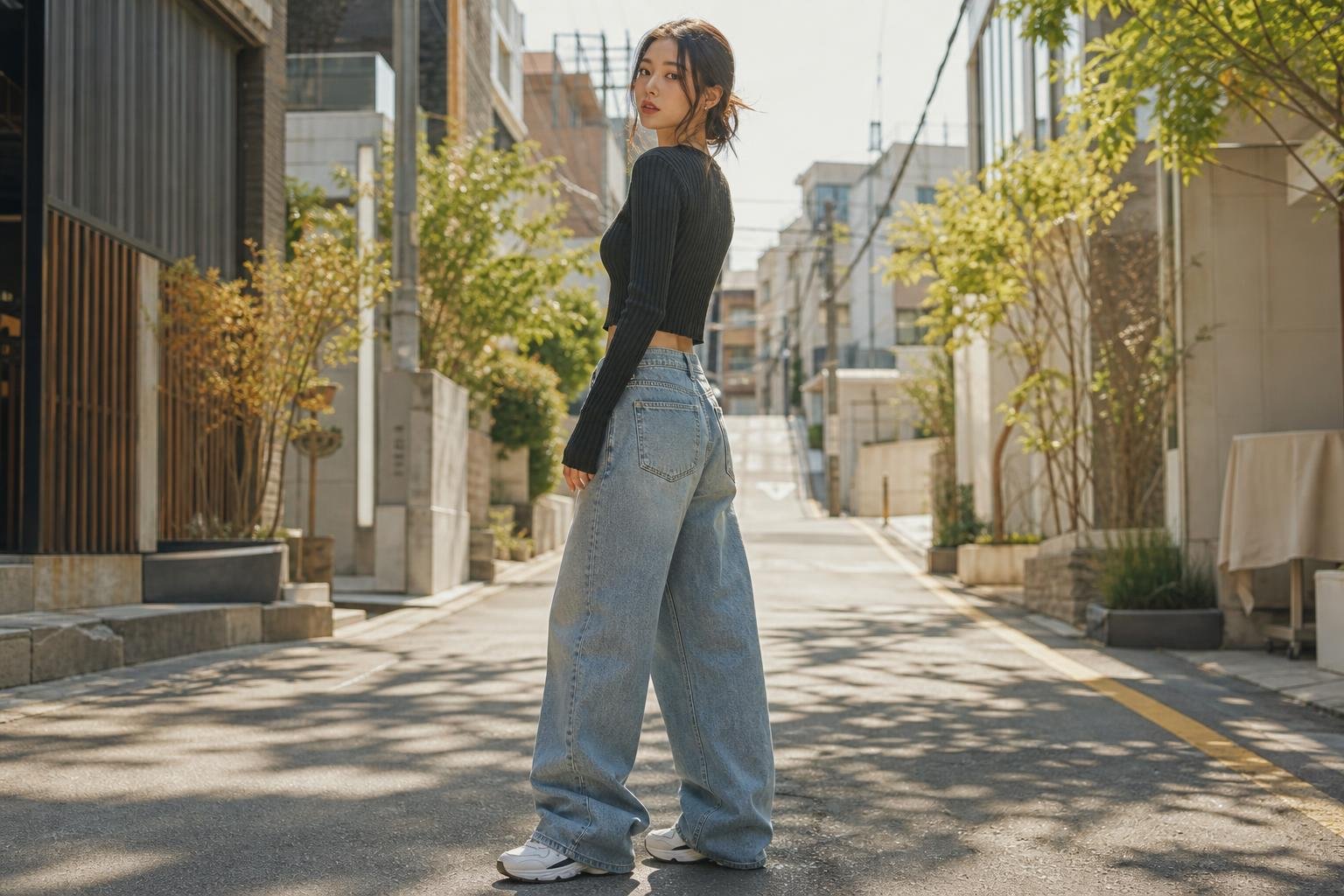
Original editorial illustration for Korean street style wide leg jeans editorial photo

Shop pages surfaced for Korean fashion online shopping

  • YesStyle – Women’s Korean Fashion: the page describes its offer as K-fashion where trendsetting style meets everyday comfort, and names tops, dresses and outerwear among its shopping categories. It is the more logical first stop for someone building outfits around daily layers, simple separates or occasion-ready dresses.

  • LEWKIN – Korean Fashion, Baggy Jeans & Acubi Streetwear: the retailer explicitly highlights baggy jeans, Acubi streetwear and K-pop styles, and its search listing says it offers free worldwide shipping on every order. Its stated positioning makes it the more targeted option when the desired outfit begins with volume, denim and a deliberately youthful streetwear proportion.

Those descriptions come from retailer search listings rather than an independent product test. The supplied research does not include current prices, country-specific delivery timing, size-chart conventions, fabric specifications, customer ratings or return-policy terms. Check those details on the live product and policy pages for the exact item and delivery destination before payment, particularly if an order will cross a customs border.

Choose the store by silhouette, not by the broad K-fashion label

Original editorial illustration for Korean fashion everyday dress outerwear editorial photo

Korean fashion is often used online as an umbrella term, but it can contain radically different proportions. A close-fitting knit paired with a long straight skirt, a roomy hoodie over a miniskirt, a cropped jacket with wide trousers and a soft dress under a structured coat may all be marketed in the same category. The useful question is not simply whether an item looks Korean-inspired in a thumbnail. It is where the visual weight sits on the body and how that proportion will work with clothing already in your wardrobe.

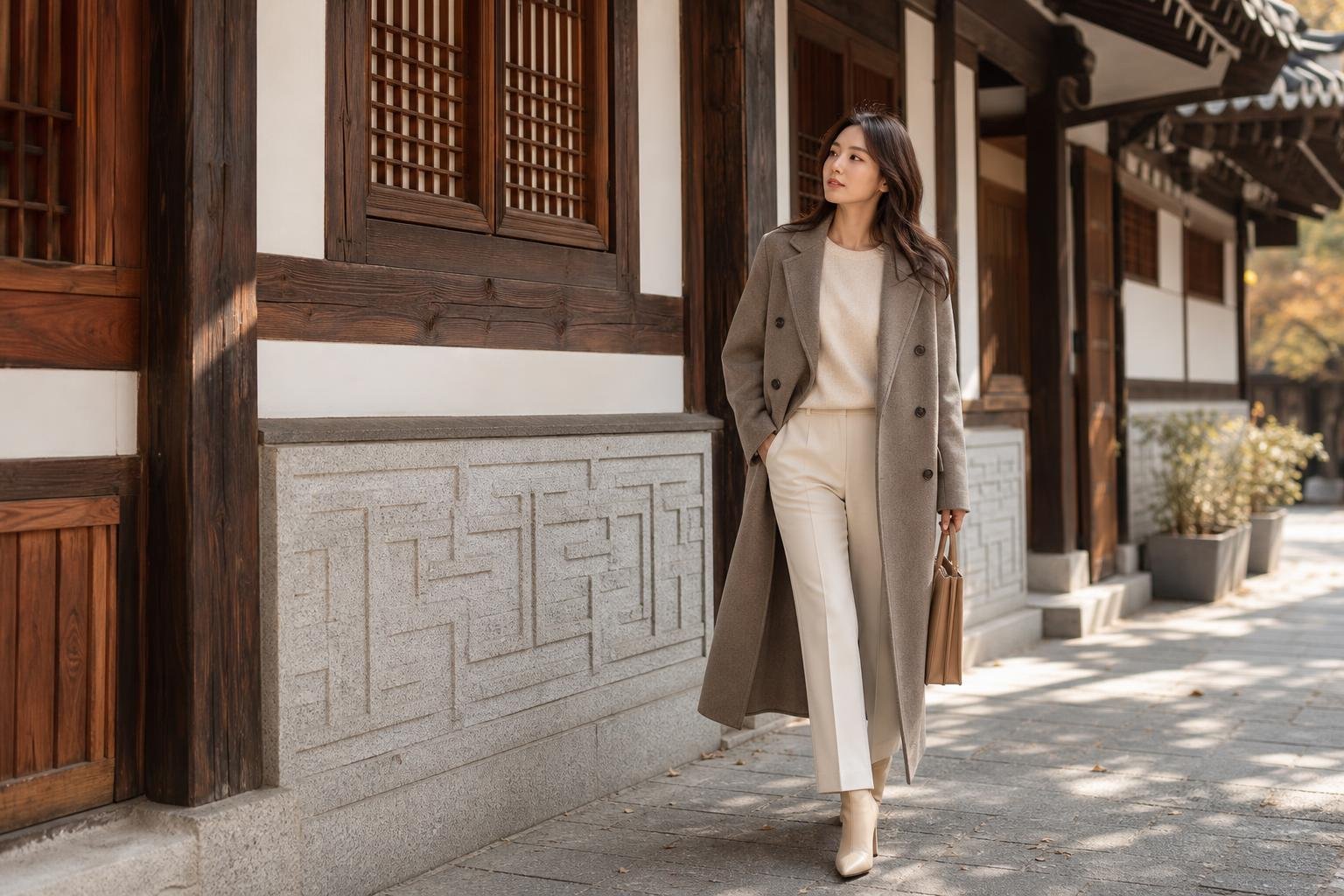
YesStyle’s visible category language suggests a broad everyday route. Tops, dresses and outerwear can form a practical capsule: a compact top creates a clean upper line; a dress removes the challenge of matching separates; outerwear changes the finish and weather-readiness of the entire look. This is especially helpful for shoppers who like the polished, light-layered side of Korean street style without wanting every garment to be cropped, distressed or dramatically oversized.

LEWKIN’s stated emphasis points in another direction. Baggy jeans shift the outfit’s center of gravity downward and make footwear much more consequential. Acubi, as it is commonly used in contemporary online styling language, generally signals a slim, layered, slightly futuristic or early-2000s-inflected streetwear mood rather than a single fixed uniform. A retailer using that label should still be judged garment by garment. Look for visible details such as a fitted long sleeve beneath a looser layer, asymmetric hems, faded washes, narrow shoulders, exposed waist placement or a long, pooling trouser break. These details determine the actual effect more than a category name does.

K-pop style is similarly a starting reference, not an instruction to duplicate a performance costume. An idol-stage outfit can depend on lighting, choreography, tailoring, a styling team and a single camera angle. For daily wear, keep one high-impact element – perhaps wide denim, a metallic-accent bag or a fitted mesh layer – and make the rest quieter. That approach retains the visual point while making sitting, commuting and repeating the clothes far easier.

Read proportion from product photographs before adding to cart

Online product imagery can make a silhouette seem more extreme or more compact than it will be in person. Begin with the hemline. A top described as cropped may end at the natural waist, above it, or merely look short because it is styled with a very high-rise bottom. Find a full-length image, then compare the top’s hem to the rise of the skirt or jeans shown. If the retailer supplies a garment length, compare it with a top you already own and enjoy wearing. That is usually more useful than comparing a model’s height to your own in the abstract.

For baggy jeans, separate waist fit from leg volume. The waist might be intended to sit at the navel, lower on the hip or somewhere between; each placement changes both perceived length and comfort when seated. The leg can be wide from hip to hem, relaxed only through the thigh, or shaped to taper at the ankle. Product photographs should show a front view and a side or back view where possible. A front image alone cannot reliably reveal whether the pocket placement, seat and back rise will suit you.

Pay close attention to the relationship between top volume and bottom volume. A wide leg with a bulky, long sweatshirt can be appealingly relaxed, but it can also obscure the waist and shorten the apparent leg line. A more wearable interpretation often uses contrast: baggy jeans with a close ribbed tee, a short cardigan, a neat tank or a jacket that finishes around the waistband. Conversely, a fitted skirt or slim dress can take a roomier bomber, cardigan or overshirt. These are proportion decisions, not rules about body type.

Accessories should clarify the scale rather than compete with it. A compact shoulder bag or a narrow belt can give loose denim a point of structure. A larger tote makes sense with outerwear and a more utilitarian outfit, but it can overwhelm a small, fitted Acubi-style top. Footwear is equally structural: a substantial sneaker or boot can visually balance a wide hem, while a delicate flat produces a softer contrast. Check the model’s shoe height before assuming a jean will fall at the same point on your own body.

Color, finish and styling detail can make a trend wearable

A shopper does not need an all-black wardrobe to approach streetwear, nor a pastel palette for an everyday Korean-inspired look. Start with the colors that recur in clothes you already wear. Charcoal, washed blue, cream, brown and muted grey tend to make experimental cuts easier to repeat because they can absorb a statement shape without becoming costume-like. If you want a sharper look, add one intentional contrast – a pale fitted top against dark denim, a silver-toned accessory against a matte black layer, or a bright bag against a neutral coat.

Hair and makeup should support the occasion rather than turn an ordinary shopping outfit into a stage recreation. A clean part, soft texture or a simple tied-back style leaves space for a strong collar, layered neckline or unusual earrings. Makeup can be minimal if the clothing already uses exposed seams, hardware or contrast panels. If a look is otherwise plain, a defined lip color or a precise liner can provide a finishing detail. These choices are optional; the clothing’s fit, fabric and movement matter more than copying an editorial image exactly.

Fabric is the difference between a saved image and a repeat-wear piece

Do not infer material from a photo’s color. A dark jersey and a dark knit may look similar on a product card while behaving very differently during a humid commute, under a coat or after washing. Read the composition and care information when it is provided. Denim’s weight and stiffness affect whether a baggy leg holds a sculptural shape or collapses into a softer drape. A fitted top needs enough recovery to keep its shape over a day, while an oversized knit needs enough body not to stretch and sag at the elbows.

Climate should be part of the style decision. Layered long sleeves, knit boleros, faux-fur trims and heavy denim create an appealing visual density but may be impractical in heat or in buildings with limited cooling. In a cold climate, a cropped top or jacket may still work, but only when it can layer over a thermal base and under a coat without bunching. The most successful online purchases are often the ones whose styling idea can survive the temperature, your route to work or school, and a normal laundry routine.

Maintenance changes value too. Before calling an inexpensive item a bargain, consider whether it needs hand washing, special drying or frequent steaming. A low-maintenance cotton-blend tee can become a useful counterweight to one more delicate statement layer. Likewise, a jeans purchase may earn its place because it works with five existing tops, not because it resembles the most dramatic outfit in the retailer’s editorial styling. Price comparison should include shipping, tax or duties where applicable, potential return postage and the cost per realistic wear, not just the product price displayed first.

Build an Acubi or baggy-denim outfit without losing comfort

Original editorial illustration for clothing size chart measuring garment editorial photo

For a low-risk Acubi-adjacent outfit, begin with one fitted base layer and one relaxed lower half. A slim long-sleeve top with wide jeans is easier to adapt than an entire stack of cut-outs, belts and micro-layers. Add a light overshirt or zip layer only if it serves a practical purpose: warmth, pocket space or a line that frames the waist. The distinction matters because styling can be expressive while still allowing a person to raise their arms, carry a bag and sit through a meal.

For an everyday version of the dress-and-outerwear route associated with broader women’s K-fashion shopping, work from length contrast. A shorter jacket can define the waist over a longer dress; a long coat can give a simple mini or midi dress more gravity. Avoid buying every part of the retailer’s styled outfit at once. First test the dress with shoes you own, or test the outerwear over your usual jeans. You will quickly learn whether the garment is versatile or only persuasive inside its original product photograph.

Think about exposure and movement before committing to fitted, cropped or low-rise pieces. Raise your arms, sit down and bend slightly when trying comparable clothes at home; these basic motions reveal where a hem rides up or a waistband shifts. If a look relies on a body-skimming top, a higher-rise jean or a longer outer layer can add comfort without erasing the intended line. This is not a matter of making a trend more modest. It is a way of preserving confidence across an entire day rather than for one mirror photo.

A checkout check that protects the styling idea

  1. Save the exact measurements. Record the product’s size chart and compare its garment measurements with an item you own. Do not rely only on S, M or L, which vary between sellers and cuts.

  2. Identify the intended fit. Decide if oversized, body-skimming, cropped, low-rise or wide-leg is the design’s intended effect. Sizing up or down can alter that effect, so make the choice deliberately.

  3. Read fabric and care details. Confirm composition, lining where stated, stretch information and washing instructions. If these details are absent, treat the garment as a less certain purchase rather than guessing from photographs.

  4. Check image angles and styling aids. Look for front, back and side views. Notice belts, clips, tucked hems, platform shoes or layering pieces that may be creating the displayed proportion but are not included with the garment.

  5. Verify destination-specific terms at checkout. Confirm shipping eligibility, estimated timing, charges, customs treatment and the return window for your location. LEWKIN’s listing advertises free worldwide shipping, but the final checkout page remains the place to confirm an order’s applicable terms.

  6. Plan the first three wears. Name the shoes, bag and outer layer you will use. If you cannot imagine three plausible settings – work, class, weekend or dinner – leave it in the cart for a day.

The strongest approach to Korean fashion online shopping is selective rather than maximal. Use YesStyle’s stated breadth when you need daily wardrobe categories; use LEWKIN’s explicit baggy-jean and Acubi focus when you want a sharper streetwear proportion. In either case, treat the retailer’s imagery as styling inspiration and the individual product page as the actual buying document. A garment that has readable measurements, a known fabric, a workable return route and a place in your existing wardrobe is more likely to look convincing after delivery than a full trend-led checkout assembled from one image.

Sources and verification

Frequently Asked Questions

Which retailer is better for everyday Korean-fashion pieces?

Based on the supplied retailer listings, YesStyle is the clearer starting point for everyday categories: its Women's Korean Fashion page names tops, dresses and outerwear. That does not establish a quality or value ranking. Check the individual item's measurements, fabric information, delivery terms and returns before ordering.

Where can I find baggy jeans and Acubi-style clothing online?

LEWKIN explicitly positions its store around Korean fashion, baggy jeans, Acubi streetwear and K-pop styles. Its search listing also advertises free worldwide shipping. Confirm that a chosen item's rise, inseam, leg shape, material, shipping eligibility and destination-specific checkout terms work for you before purchasing.

What should I check before Korean fashion online shopping internationally?

Compare garment measurements with a favorite item you own, not only a letter size. Review fabric composition, care instructions and product images from more than one angle. At checkout, verify shipping charges or promotions, delivery estimates, potential duties, return eligibility and who pays for return postage.