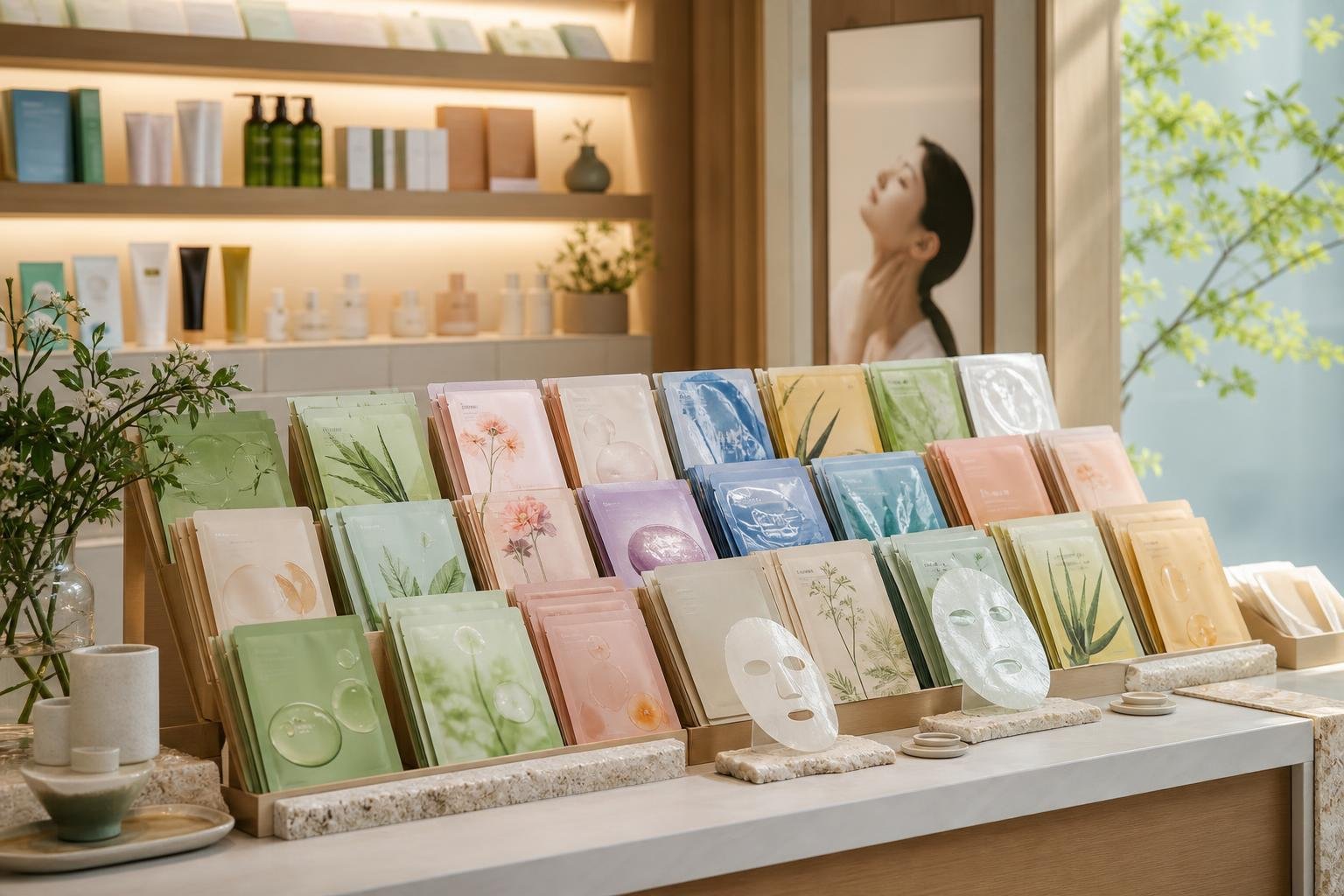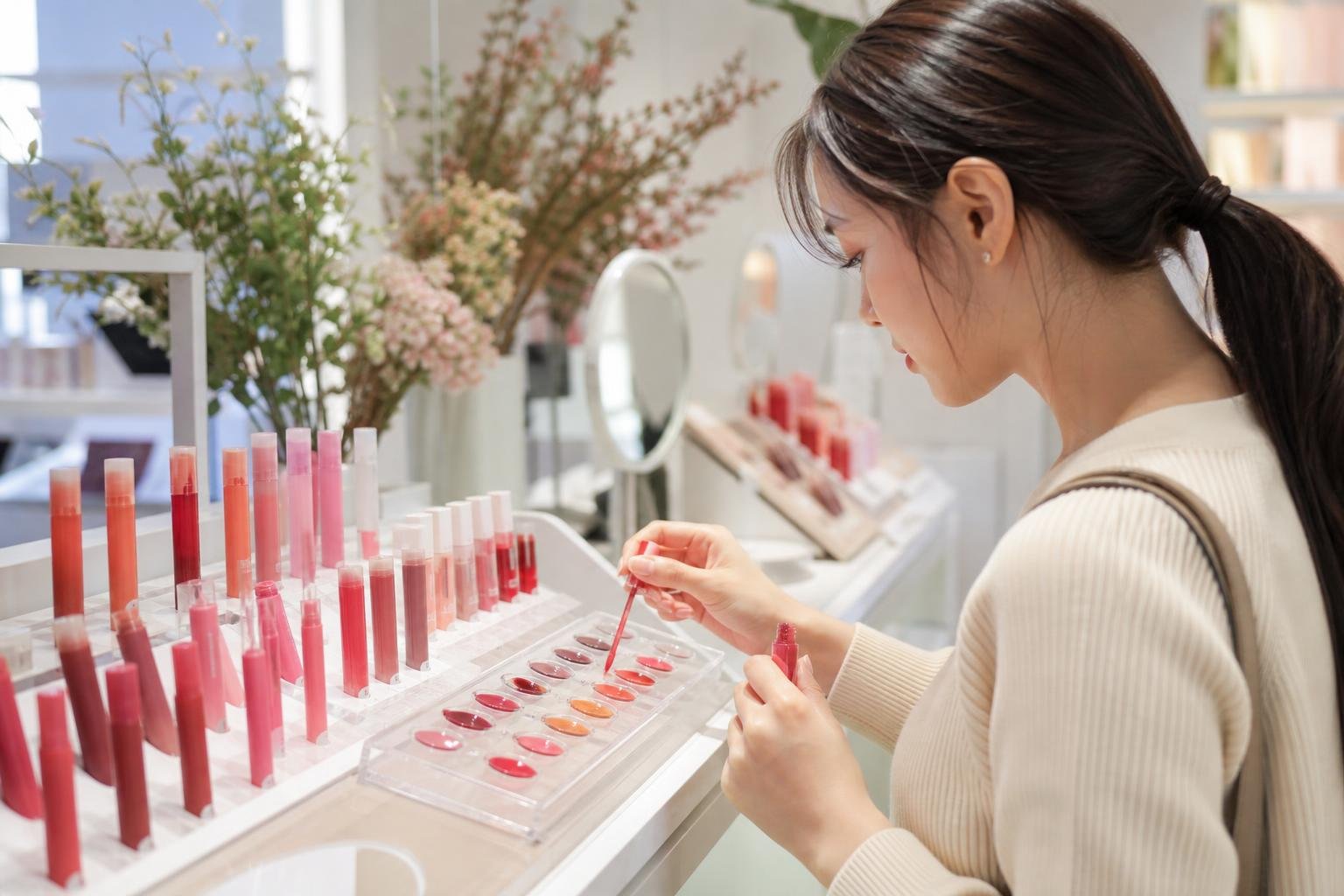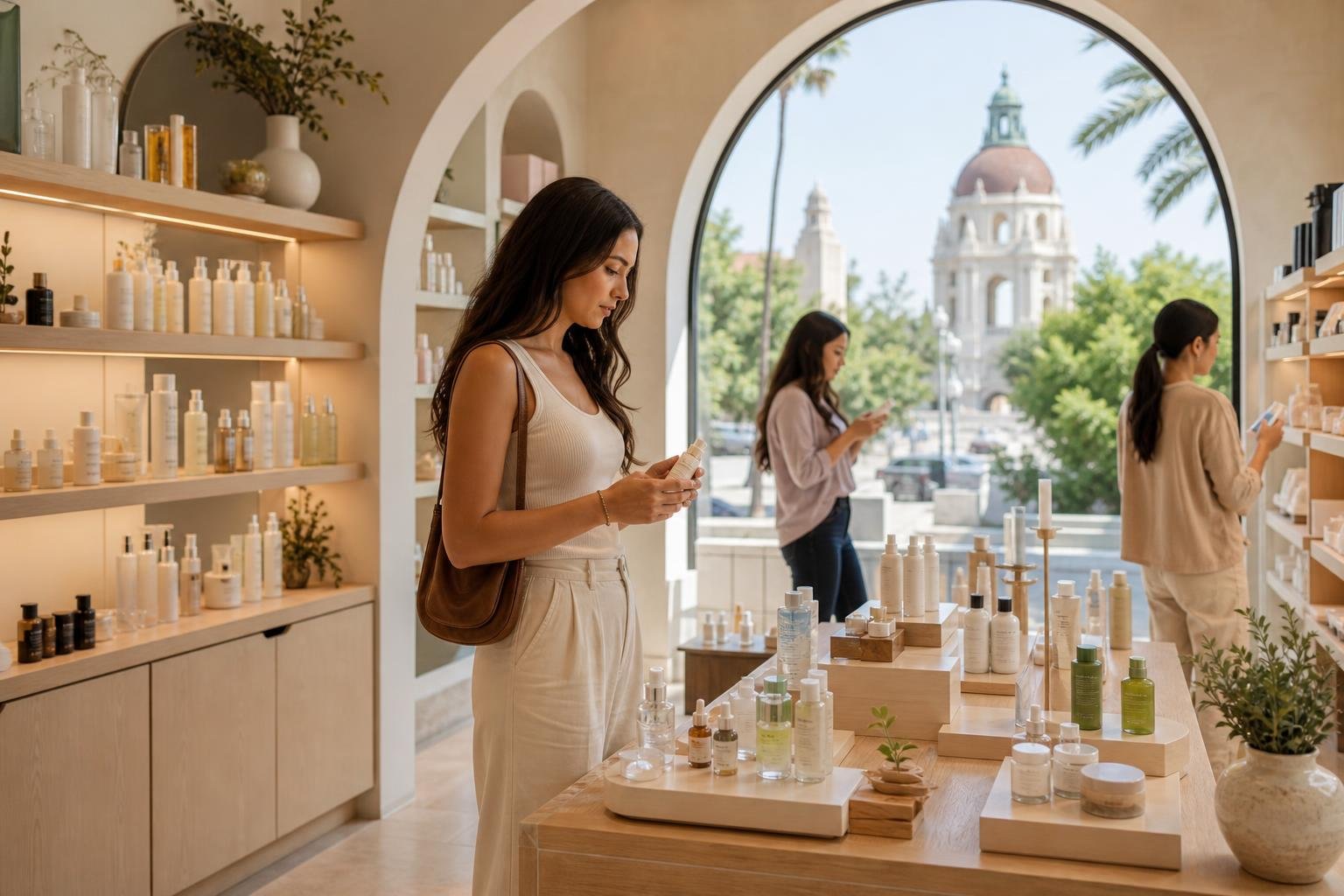
Olive Young Pasadena is open as the South Korean retailer’s first U.S. brick-and-mortar location, bringing the browsing-heavy, discovery-led side of Korean beauty into a physical Southern California setting. In a June 29, 2026 report, Allure described the store as an “ultimate K-beauty playground,” calling out a wall of face masks, in-store skin analysis and an expansive lip-tint selection. That matters because the appeal here is less about arriving with one viral product in mind and more about seeing categories, formats and shades side by side.
Table of contents

Current reporting: Allure’s store report offers the clearest published look at the Pasadena experience and its highlighted departments. A WTOP News post also identifies Pasadena as Olive Young’s first physical U.S. store.
Why Olive Young Pasadena is more than a new beauty shelf
Olive Young is widely known in South Korea as a beauty and lifestyle retailer: a place where shoppers encounter skin care, cosmetics, personal-care items and rotating beauty trends in the same trip. Its Pasadena outpost gives U.S. customers a version of an experience that has largely been available through online orders, social videos and overseas shopping.
The shift to a store matters most when a purchase depends on personal preference. A lip product is easier to judge when a shopper can compare shades and formats in person. Face masks make more sense when they can be sorted by the concern printed on the package, such as dryness, a temporary need for comfort, or a desire for a cooling-feeling gel format. A skin analysis can also give a shopper a starting point for browsing, though it should not be treated as a diagnosis or a guarantee that a single product will solve a persistent skin issue.
Allure’s description suggests a store built around that kind of exploration. A large mask wall encourages comparison within one category; lip tints invite shade discovery; an analysis service creates an entry point for shoppers who do not know where to begin. For a K-beauty beginner, that is potentially more useful than scrolling a bestseller page full of products with unfamiliar names. For an experienced shopper, the value is in discovering formats and brands that are difficult to assess from a product thumbnail.
One precise limitation is worth keeping in view: current published reporting confirms the store opening and these experiential highlights, yet it does not provide a verified live inventory, price list, full brand roster, store hours, parking information, individual ingredient lists or treatment-style product recommendations. Check the shelf label, package and current store information before making a trip for a particular item.
Shop by your skin’s present needs, not the loudest claim

Korean beauty is often sold through ingredients, routines and visual trends, which can make a store visit feel like a test of recall. A more reliable way to browse is to begin with the condition of your skin this week. Skin type is your broad baseline: dry, oily, combination or balanced. Skin concern is more changeable: tightness, visible flaking, shine, breakouts, uneven tone, sensitivity or a compromised-feeling barrier. The two are related, though they are not interchangeable.
Someone with oily skin can still be dehydrated and uncomfortable after cleansing. Someone with dry skin can still react to fragranced products or use too many exfoliating steps. A shopper dealing with acne should not assume every product marketed as “glow” or “barrier” belongs in their routine. Product choice works best when the claim, texture and full formula fit the skin’s actual tolerance.
For dryness, tightness or a routine that feels stripped
Start in the hydration and moisturizer sections, then read beyond front-label terms such as “deep moisture” or “glass skin.” Look for humectant ingredients that help bind water in the outer layer of skin, such as glycerin or hyaluronic acid, alongside emollients and barrier-supporting ingredients such as ceramides, fatty acids, cholesterol, squalane or plant oils. Their presence alone does not tell you the amount used, the formula’s pH, or how your skin will respond. The complete ingredient list remains the useful document.
Texture is a practical deciding factor. A lightweight lotion or gel-cream tends to suit people who dislike a coated finish, especially during warm Pasadena days or under makeup. A cream or balm-like formula may better suit skin that feels persistently dry, especially at night. Neither category is automatically superior. The right choice is the one you will apply consistently without creating congestion, discomfort or makeup slippage.
At the mask wall, distinguish an occasional comfort step from the core of a routine. A sheet mask can be a pleasant way to add moisture and encourage a pause in the evening. It does not replace a well-tolerated cleanser, moisturizer and daytime sun protection. Shoppers who react easily should inspect masks for fragrance, essential oils and familiar sensitizers, particularly because masks sit in close contact with skin for a concentrated period.
For oiliness, breakouts or clogged-feeling skin
Focus on routine compatibility before adding a targeted treatment. A gentle cleanser, a moisturizer you can tolerate and sunscreen are still relevant for oily skin. Stripping the skin with frequent acids, abrasive scrubs or several drying spot products can leave the face irritated and harder to manage.
When browsing labels, identify the active category first. Salicylic acid is commonly used in leave-on products aimed at clogged pores; exfoliating acids are found in other resurfacing formulas; retinoid products occupy a separate category with their own irritation potential. Do not stack several new active products simply because they are displayed in adjacent aisles or mentioned in the same online routine. Choose one targeted step, follow its package directions, and give the rest of the routine a chance to stay simple.
Formula feel is especially important here. A watery toner, serum, spot treatment, gel moisturizer and cream can all occupy different places in a routine, even when their marketing language overlaps. A toner does not become an exfoliant because it is thin, and a serum is not necessarily gentler because it feels light. Read the directions and ingredient list, then consider where the product sits alongside your current cleanser, moisturizer, sunscreen and treatments.
For reactive or easily irritated skin
Use the store’s discovery value to slow down. A bright package, a trending ingredient and a high number of reviews do not reveal your sensitivity threshold. Look for a full ingredient list before purchasing, and take note of fragrance, essential oils, denatured alcohol, exfoliating acids and any ingredients you already know have caused a reaction. Some people tolerate these ingredients well; others do not. The relevant question is not whether a formula is universally “clean” or “gentle,” but how it is built and how your own skin has behaved with comparable products.
Patch testing is a sensible purchase check when introducing a leave-on product. Use the product as directed on a small area first, then watch for irritation before applying it broadly. Avoid debuting several new treatments during the same week. If skin is stinging, inflamed, persistently itchy or worsening, stop experimenting with the routine and seek appropriate professional care. Cosmetics can support comfort and appearance; they are not a replacement for medical assessment of a skin condition.
Use skin analysis as orientation, not a shopping prescription
The in-store skin analysis highlighted by Allure is one of the Pasadena location’s clearest differentiators. It can be useful for turning a vague concern – “my skin feels off” – into questions to ask at the shelf. Is the goal hydration, a less shiny finish, a more comfortable moisturizer, or a simpler routine? That is a productive role for an in-store service.
Its limits matter as much as its convenience. Skin readings can vary with recent cleansing, makeup removal, climate, sleep, medication and the products used that morning. A single result cannot establish why someone is breaking out, reacting or developing persistent redness. Treat it as a snapshot that helps narrow categories, then rely on the product’s label and your own history when deciding what comes home with you.
A strong question for staff is specific and practical: “I use a retinoid at night – which moisturizer here is simplest to pair with it?” Or: “I want a lip tint that feels comfortable, and I prefer a sheer finish – which formats should I compare?” Questions framed around an existing routine, texture preference and known sensitivities are more likely to produce useful choices than asking for the store’s “best” product.
How to make the face-mask wall useful
A wall of sheet masks can easily invite quantity shopping. Make it a comparison exercise instead. First choose the use case: an occasional hydrating step, a soothing-feeling product after a long day, or a travel-friendly item for dry airplane air. Then compare the ingredient lists and the type of essence in the pouch. A shopper who dislikes residue may prefer to avoid buying a dozen masks before trying one. A shopper who is fragrance-sensitive has a reason to check every individual package, since products within the same brand can vary.
There is also a cost question. Multi-packs can be convenient only if the product is genuinely compatible with your skin. Price per mask is useful, though price per usable mask is the better calculation. A five-pack is not a bargain if the first use stings, pills under moisturizer or leaves a finish you dislike. Begin with one or two masks, particularly when the formula is unfamiliar.
Use masks on a day when the rest of the routine is calm. Combining a new mask with a strong exfoliant, a retinoid or another newly opened serum makes it harder to identify the source of a reaction. If the mask is comfortable, it can sit within a routine as an optional hydration step. It does not need to become a daily ritual to earn its place.
Lip tints are the easiest category to test in person

The lip-tint selection mentioned in Allure’s report is a strong reason to browse slowly. With color cosmetics, swatching can answer questions that online images cannot: Does the shade pull warmer or cooler against your complexion? Is the color translucent, vivid or buildable? Does a formula leave a stain after the initial layer wears away? The precise answers depend on the individual product, so use testers where provided and follow in-store hygiene instructions.
Think in finish and maintenance. A sheer tint may suit someone who wants a low-effort wash of color. A more pigmented product can be useful when you want a defined lip with fewer layers. Glossy, balm-like and matte-looking formats can wear differently over dry or flaky lips, even when the shade family looks similar. If lips are already irritated or chapped, a lip treatment may be the more satisfying first purchase than another long-wear color.
Olive Young Pasadena will appeal most to shoppers who enjoy comparing a large K-beauty assortment in person and want help sorting by routine step, concern and format. Go in with one or two needs, read the full label before checkout, and let texture preference and routine compatibility decide the purchase – not a viral shelf moment.
Sources and verification
- Olive Young's First US Location Is the Ultimate K-Beauty … – Allure / Established publication (Jun 29, 2026)
- South Korean beauty products have spent years building … – Facebook · WTOP News / Other search result
Frequently Asked Questions
Is Olive Young Pasadena really the retailer's first U.S. physical store?
Yes. Allure's June 29, 2026 store report calls Pasadena Olive Young's first U.S. location, and WTOP News also described it as the South Korean beauty retailer's first brick-and-mortar store in the United States. Published reports do not establish a complete current inventory list.
What can shoppers expect to find at the Pasadena store?
Allure highlighted a wall of face masks, in-store skin analysis and numerous lip tints, framing the location as a broad K-beauty discovery space. Check current shelf selection before traveling for a specific brand, shade, sunscreen or skincare formula, since reported coverage does not provide live inventory.
How should I choose skincare during a visit?
Begin with a defined need, such as a comfortable moisturizer, a simpler hydration step or one targeted treatment. Read the full ingredient list and directions, consider formula texture and existing actives, and patch test unfamiliar leave-on products. Avoid adding multiple strong exfoliating or treatment products at once.
Explore more K-culture stories
RECOMMENDED SITE
Planning a trip to Korea?
Discover practical Korea travel guides, local tips and destination ideas at KoreaSpot.