Start with skin need and texture, not a bestseller label. StyleKorean skincare products can make more sense when you shop for the job a formula needs to do in your routine: add comfortable hydration, support a calmer-feeling routine, or provide a finish that layers well under sunscreen and makeup. The current editorial conversation around K-beauty repeatedly points shoppers toward ingredient-led choices, but it does not turn every popular product into a universal match.
Table of contents

That distinction matters. The New York Times’ Wirecutter, in an October 2025 Korean-skincare roundup, highlighted niacinamide and cica—short for Centella asiatica—as notable ingredients in one formula, describing cica as an anti-inflammatory botanical. Elsewhere, Korean beauty coverage has spotlighted brands including COSRX, Laneige, Beauty of Joseon, Medicube, Anua, TIRTIR, and Peach & Lily. Those mentions are useful starting points for discovery, not proof that a particular product suits your skin or is currently stocked by a given retailer.
One purchase check comes first: this article is not based on an official StyleKorean catalog or product-page record. Before ordering, read the live listing for the complete ingredient list, size, directions, price, availability, and retailer terms. Those details decide whether a promising category becomes a sensible purchase.
How to sort StyleKorean skincare products before you add to cart
Begin with one routine goal. A cart built around a single concern is easier to edit than one built around every ingredient that has appeared on social media or in a beauty roundup. For a first pass, use these practical lanes:
- Comfort and a less complicated routine: Look closely at cica-centered formulas or products that place barrier-conscious, low-drama use ahead of a strong “active” identity. Wirecutter’s description of cica as Centella asiatica provides a useful translation for shoppers navigating labels that use either name.
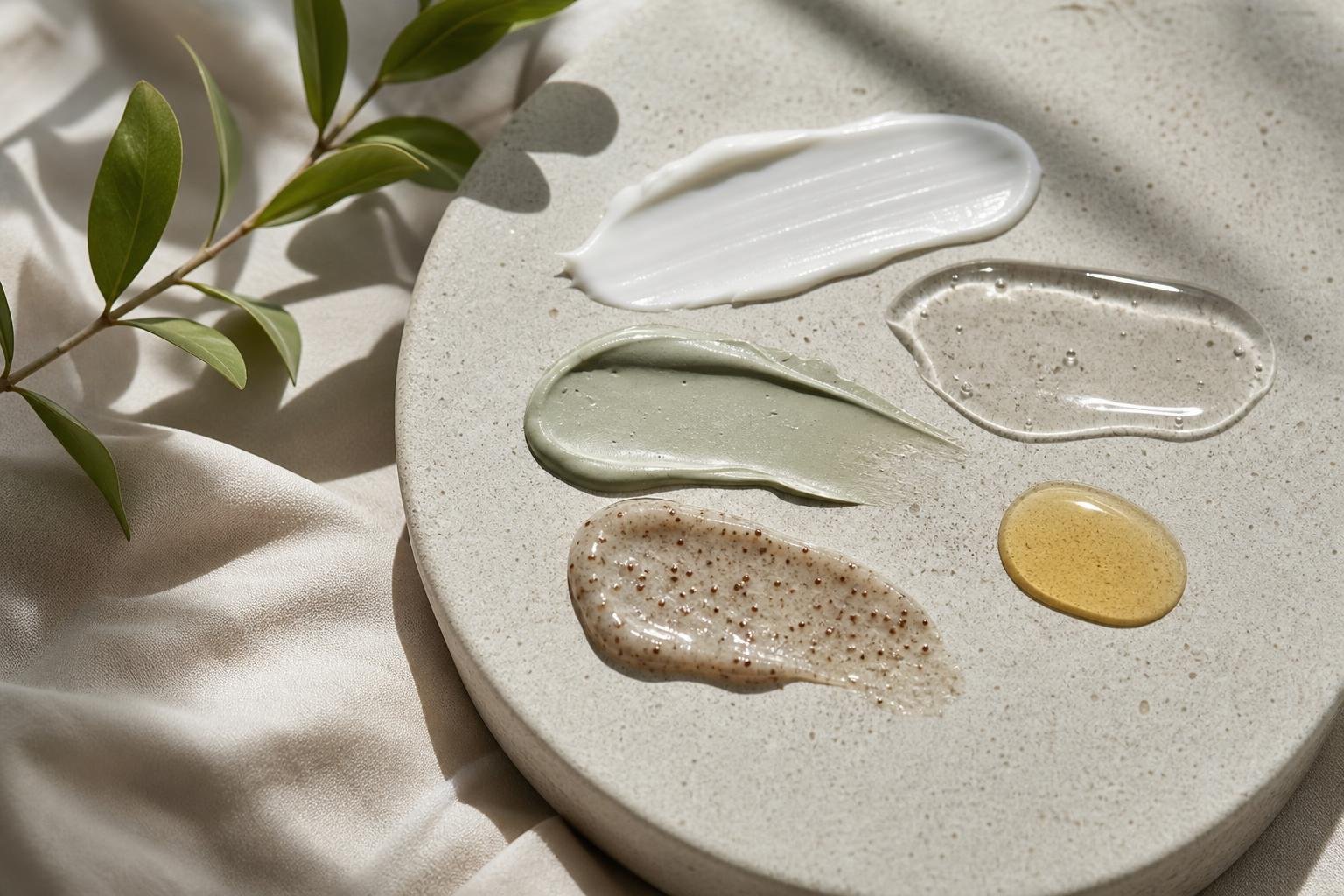
- Hydration with flexible layering: Consider the texture first. A fluid, essence, serum, gel cream, or richer cream can all sit within a hydration routine, but they will not feel alike on the skin or under sunscreen. The right choice is the one you can use consistently without making the rest of your routine feel crowded.
- A glow-oriented finish: Treat “glass skin” as a beauty ideal, not a promised outcome. Vogue’s October 2025 K-beauty feature frames Korean skincare through that glow-focused language while naming Laneige, Beauty of Joseon, and COSRX among its featured brands. In real life, a hydrated-looking finish depends on formula choice, application, and how your skin responds.
- Ingredient curiosity: Niacinamide, cica, hyaluronic acid, snail mucin, and fermented filtrates are all ingredient categories named in a dermatology-oriented K-beauty overview from DermaVue. That is a reason to investigate an individual formula, not a reason to assume the ingredient name alone predicts results.
For shoppers dealing with easily overwhelmed skin, restraint is often the more useful filter. Pick one new leave-on formula, use it according to its listed directions, and leave the rest of the routine stable long enough to judge comfort. Adding a new exfoliant, retinoid-style product, vitamin C formula, and soothing serum at once makes it difficult to identify what agrees with your skin and what does not.
Ingredient names are clues, not complete formulas

A label can tell a compelling story while leaving out the most useful shopping questions: Where does the featured ingredient sit in the ingredient list? What else is in the formula? Is the product intended as a daily layer, an occasional treatment, or a wash-off step? Without the complete current list and directions, a shopper cannot responsibly compare irritation potential or routine compatibility.
Niacinamide and cica are especially easy to flatten into buzzwords. Wirecutter calls them “K-skin all-star ingredients” in the context of a specific product and characterizes them as soothing; it does not establish that every niacinamide-and-cica formula will feel soothing for every person. Formula design, the rest of a routine, and individual tolerance still matter.
Hyaluronic acid, snail mucin, and fermented filtrates deserve the same measured approach. DermaVue identifies them as ingredients found in K-beauty discussions, but that broad mention does not provide a concentration, product format, or tested outcome for any item you may encounter while shopping. Read the exact listing instead of buying the ingredient headline.
A quick label-reading order
- Name the need: Is the product meant to make a routine feel more hydrating, more comfortable, or more cosmetically luminous?
- Identify the format: Toner, essence, serum, ampoule, moisturizer, sleeping mask, and cleanser are not interchangeable steps. A richer product can be excellent at night and still be inconvenient beneath daytime layers.
- Read the full ingredient list: Look beyond the hero ingredient, especially if you know you react poorly to particular fragrance components, essential oils, or high-strength active formulas.
- Check directions and conflicts: A product marketed around smoothing, resurfacing, or exfoliation may require more care when paired with other strong actives. Do not stack products simply because each one is individually popular.
- Compare usable value: Divide the current price by the amount you are likely to use before the stated period-after-opening or expiry guidance. A lower entry price is not automatically better value if the texture or routine position means you will abandon it.
Texture is the overlooked K-beauty shopping tool
Texture is not a minor preference; it shapes whether a product earns a regular place in your routine. The published editorial coverage describes Korean skincare through language such as “comfortable texture” and “glow-boosting formulas,” including Allure’s March 2026 readers’ favorites feature, which names COSRX, Laneige, and Medicube. Those descriptions signal consumer interest, but they are not a substitute for an official texture description, ingredient list, or your own tolerance.
As an editorial rule of thumb, choose the lightest texture that leaves your skin feeling adequately supported for the time of day and climate. A watery layer may suit someone who dislikes residue or wears several daytime products. A creamier layer may be more appealing to someone who prefers fewer steps and a more cushioned finish. Neither category is inherently “better” for oily, dry, combination, or sensitive skin; the formula and the rest of the routine determine whether it is a comfortable fit.
Keep layering purposeful. Cleanse, then add only the layers that have a clear role, and finish daytime routines with sunscreen. If a new product makes your routine feel sticky, pills under sunscreen, or competes with a treatment step, that is useful purchase feedback—not a personal failure to achieve a trend-driven routine.
Popularity can point you toward brands, not make the decision for you
Editorial lists are helpful for creating a shortlist. Vogue names Laneige, Beauty of Joseon, and COSRX; Allure identifies reader favorites from COSRX, Laneige, and Medicube; and a June 2026 New York Post roundup mentions COSRX, Anua, TIRTIR, and Peach & Lily. This overlap suggests these are visible names in English-language K-beauty coverage. It does not verify their current StyleKorean availability, price, formula revisions, or suitability for a particular concern.
Use popularity as a map, then narrow your options with a product-page audit. Compare the listed format, amount, ingredient disclosure, directions, and finish claims. If two products serve the same place in your routine, buy the one whose disclosed details match your actual habits—not the one with the broadest “glass skin” promise.
The best reader match: StyleKorean skincare products may appeal to shoppers who enjoy researching textures and ingredient families before committing to a routine. Think twice if you are seeking a guaranteed cure for acne, redness, or another skin condition, or if you are planning to introduce several potent products together. Let the current full ingredient list and directions—not a viral reputation—make the final call.
Official Sources and Verification

- The Best Korean Skin Care Products — Established reporting: The formula contains hits of two K-skin all-star ingredients: soothing niacinamide and cica (short for centella asiatica), an anti-inflammatory botanical … Source: The New York Times (Oct 30, 2025)
- The Best Korean Skincare Products of 2025 — Established reporting: Achieve glass skin with the best Korean skincare products according to K-Beauty experts. Shop top brands like Laneige, Beauty of Joseon & CosRx. Source: Vogue (Oct 21, 2025)
- 15 K-Beauty Products Allure Readers Are Obsessed With — Established reporting: The best Korean skin-care products Allure readers love include favorites from CosRx, Laneige, and Medicube. Shop the glow-boosting formulas. Source: Allure (Mar 22, 2026)
- Korean Skincare (K-Beauty): Science vs Hype — Supporting source: K-beauty ingredients including niacinamide, Centella asiatica, snail mucin, fermented filtrates, and hyaluronic acid. Korean skincare has some genuinely … Source: DermaVue
- I found and tested the 16 best Korean skincare products … — Supporting source: I ranked and reviewed the best Korean skincare brands and products to try, from COSRX and Anua to TIRTIR and Peach & Lily. Here are the top products to buy. Source: New York Post (Jun 5, 2026)
Frequently Asked Questions
Are StyleKorean skincare products all suitable for sensitive skin?
No. Popularity and a calming ingredient name do not establish universal suitability. Check the full current ingredient list, directions, and your known sensitivities; introduce new leave-on products one at a time.
What does cica mean in Korean skincare?
Cica is a common K-beauty name for Centella asiatica. Wirecutter described it as an anti-inflammatory botanical in its October 2025 Korean-skincare coverage, but the overall formula still matters.
Which brands should I search for first on StyleKorean?
COSRX, Laneige, Beauty of Joseon, Medicube, Anua, TIRTIR, and Peach & Lily appear in the cited editorial coverage. Treat them as discovery starting points and verify current retailer availability and formula details on the live listing.
Explore more K-culture stories
RECOMMENDED SITE
Planning a trip to Korea?
Discover practical Korea travel guides, local tips and destination ideas at KoreaSpot.