K-pop Songs to Start With: Four Current Signals, Read Carefully

K-pop songs editorial image

At a glance: K-pop songs comes into focus through the named people, products, dates, and context that can be supported.

K-pop songs editorial image
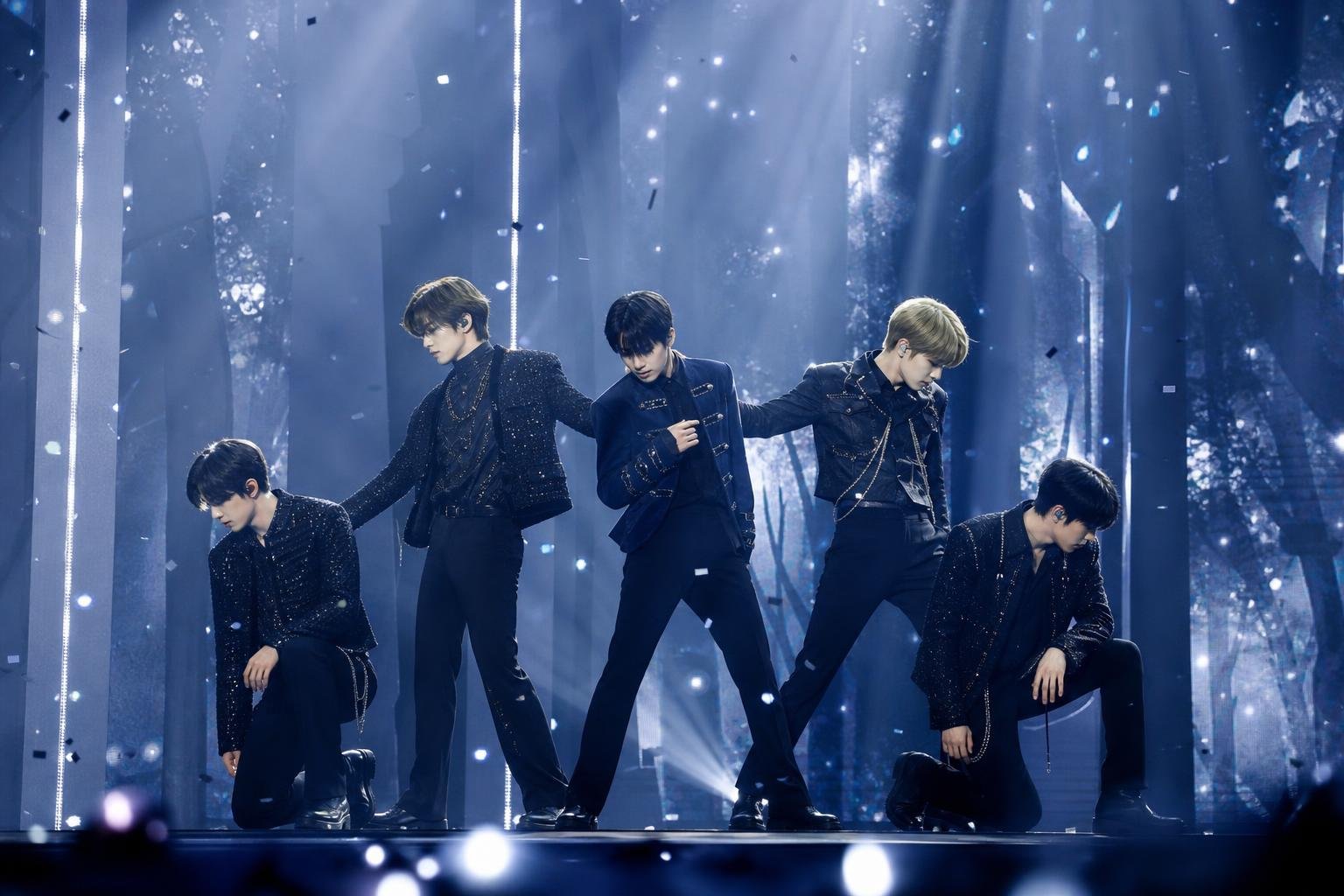
AI-generated editorial image: Stray Kids 2026 live performance editorial photo.

Start with Stray Kids’ “This & That” if you want one current K-pop song with the clearest listener-response signal. Billboard reported on August 9 that the track received 85.25% of votes in its weekly new-music poll—a striking result within that poll’s audience, though not a chart position or a measure of all-listener popularity. Pair it with TOMORROW X TOGETHER’s “I’ll See You There Tomorrow,” which surfaced through a Billboard-branded performance post tied to the 2026 TMElive International Music Awards. Add the group’s “Deja Vu” as a performance-led revisit, and keep BTS’ “Hooligan” on a separate, chart-watch list because its visible reference here comes from a user-maintained Wikipedia compilation, not Billboard’s own chart page.

That is a deliberately compact starting point. A broad search for K-pop songs can easily collapse several different kinds of attention into one vague idea of what is “big”: an editorial pick, a fan vote, an album campaign, a festival set, a platform trend, or an actual chart placement. They are useful signals, but they answer different questions. The most satisfying way to build a listening queue is to let each signal do the job it is suited for.

K-pop songs with a clear current reason to press play

The most concrete recommendation in the current mix is Stray Kids’ “This & That.” In Billboard’s August 9 report, the song was named the favorite new music of the week in the publication’s poll, with 85.25% of the vote. That gives a prospective listener something specific: the track prompted an unusually concentrated response from people who participated in that particular poll.

It does not establish a Billboard chart rank, sales total, streaming total, or consensus critical verdict. Billboard’s poll is an audience-engagement format, and its value here is more immediate than universal. For a playlist builder, that can be enough. Put “This & That” near the front of a fresh queue, then decide whether its appeal is the kind that holds up outside the first-wave excitement.

TOMORROW X TOGETHER’s “I’ll See You There Tomorrow” arrives through a different doorway. A Billboard Facebook result identifies TOMORROW X TOGETHER OFFICIAL performing it at the 2026 TMElive International Music Awards. The available record supports the association between song and awards-show performance; it does not provide a set list, release details, or a review of the staging. Still, live exposure is a meaningful discovery cue. Some songs make their case through headphones; others earn attention when an act puts them into a major-event setting.

A second TOMORROW X TOGETHER title, “Deja Vu,” also appears in a Billboard Facebook performance result. The visible listing identifies a performance of the song, while its accompanying snippet is largely a sequence of other titles rather than a full account of the appearance. Treat it as a useful pointer to a performance archive, not as proof of a new release, a current chart run, or a newly announced promotion.

Why a poll, a performance, and a chart are not interchangeable

Original editorial illustration for TOMORROW X TOGETHER 2026 awards performance photo
AI-generated editorial image: TOMORROW X TOGETHER 2026 awards performance photo.

These categories are often flattened online. They should not be. Billboard’s new-music poll result for “This & That” captures a vote by Billboard readers or users who chose to participate. It is fan response in a defined editorial setting. It can tell a listener that the release activated a highly engaged audience, but it cannot substitute for a chart methodology.

A performance credit answers another question: what song is an artist willing to place before an audience in a visible setting? For TOMORROW X TOGETHER, the award-show reference gives “I’ll See You There Tomorrow” a performance story, and the “Deja Vu” result points to a separate performance appearance. Neither listing, as available, establishes that one track outranked the other. Their appeal as additions to a queue is that they invite listening alongside the group’s visual and live identity.

Chart claims need the tightest wording. A Wikipedia page compiling K-pop songs on Billboard charts includes an entry for BTS’ “Hooligan” dated April 4, 2026, with the numbers “3” and “20” visible in the search listing. Because that is a user-maintained secondary compilation and the excerpt does not identify the chart columns, those numbers should not be repeated as a confirmed ranking here. The sensible move is to flag “Hooligan” for follow-up through a direct Billboard chart record or official release listing before treating it as a chart-based recommendation.

This distinction is not nitpicking. It preserves the pleasure of discovery. A listener can enjoy a fan-voted breakout without pretending it won a chart race, and can revisit a performance favorite without assuming it is a new single.

What to do with aespa’s “LEMONADE” and other social claims

aespa’s “LEMONADE” is present in the current conversation, but the available support is an Instagram post from an account identified as aespa.base1. Its snippet says the track became the second-longest-charting fourth-generation song released in 2026 on Billboard Excl. U.S., with a six-week run. That is a precise claim, but it is posted as social content rather than by Billboard, aespa, a label, or a chart operator in the record at hand.

So “LEMONADE” belongs in an investigate next slot, not a fact-checked chart roundup. If a listener is already curious about aespa, it is perfectly reasonable to play the song. What should wait is the language of “officially,” “first,” “only,” or a specified chart duration until a primary chart page or official release record is consulted.

The same discipline applies to broader recaps that circulate with lists of albums and ranks. Facebook posts in this result landscape mention World Albums chart placements for releases by Stray Kids, Jimin, LE SSERAFIM, TWICE, and NEWJEANS. They are not the right records on which to base a song-level recommendation. Albums, singles, and individual tracks have different release strategies and frequently move through different charts. A title-heavy feed can look authoritative while leaving the central question—what should I play next?—unanswered.

The album calendar tells you where the next listening lanes may open

Song discovery does not happen in isolation from album campaigns. Billboard’s 2026 new-albums calendar, updated in the available result seven days before this guide’s search date, identifies forthcoming projects by ENHYPEN and NCT 127 among the year’s releases. The visible description does not provide project titles, dates, track lists, formats, or lead singles, so it is not an official schedule for either act. It is, however, a credible indicator that both names belong on a release-watch list.

That distinction matters for the way fans browse. An album-calendar mention can help you decide whose official channels to follow; it cannot tell you which deep cut will become the song you love. Until artist, label, or platform pages publish the relevant details, avoid filling the gaps with supposed track lists or comeback dates. The next confirmed development is likely to arrive first as a named project, a release date, or a track announcement—not as a recycled graphic or an unsourced chart caption.

For context on the scale of the groups already shaping this landscape, Billboard’s August 16 roundup of K-pop Billboard 200 No. 1 albums says Stray Kids has accumulated nine No. 1 titles, with BTS second on seven and ATEEZ next with three. Those are album achievements, not evidence about the comparative strength of any one current song. They do explain why a new Stray Kids release can draw immediate attention from an international audience.

Build a better queue from the signals that actually exist

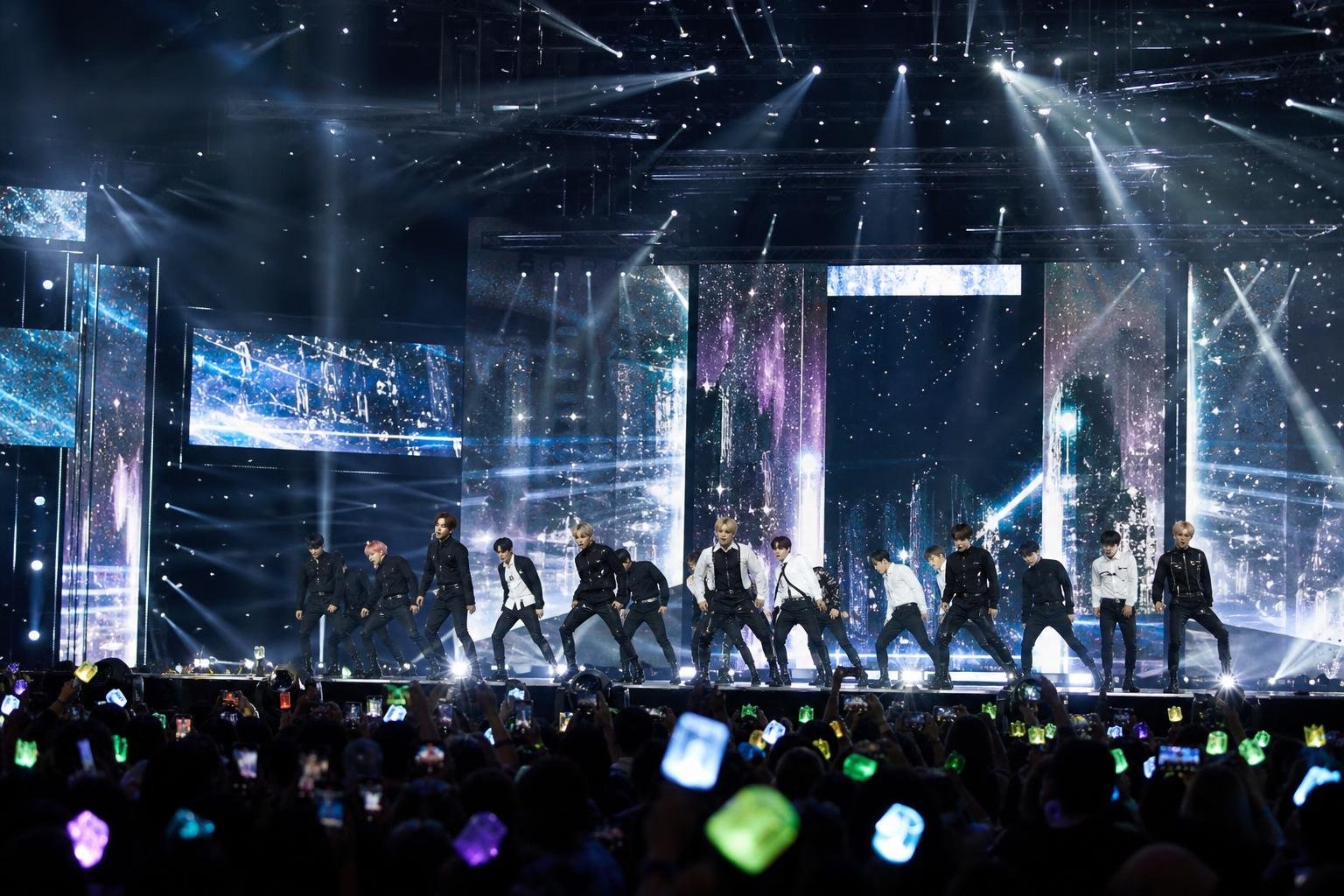
Original editorial illustration for KCON LA 2026 NCT 127 TXT stage photo
AI-generated editorial image: KCON LA 2026 NCT 127 TXT stage photo.
  • Begin with “This & That.” It has the firmest current audience-response data in this group: Billboard’s reported 85.25% poll share.
  • Follow with “I’ll See You There Tomorrow.” Seek out the associated TOMORROW X TOGETHER performance context if you want to hear a track with documented awards-show visibility.
  • Use “Deja Vu” as the comparison listen. Its performance reference offers a reason to revisit the group through a second title without claiming a new release cycle.
  • Keep “Hooligan” and “LEMONADE” in a verification lane. Both have surfaced in chart-oriented discussion, but the records visible here are, respectively, a community-maintained list and a social-media post.

There is one more performance-oriented route for listeners who prefer concert energy to metrics. Billboard’s KCON LA 2026 recap identifies NCT 127 and TXT among the event’s headlining sets, alongside ZEROBASEONE. The listing does not specify songs, but it places both groups in a recent major-stage frame. That is useful context for exploring their catalogs, not a license to assign tracks to the show.

The current picture favors a modest but credible playlist over an inflated “best of 2026” proclamation. Let Stray Kids’ poll win be the immediate play, let TOMORROW X TOGETHER’s performance trail guide the next two selections, and watch ENHYPEN and NCT 127 for their next named album announcements. The strongest next move is not to chase every claim; it is to wait for the next official title that gives the listening queue a real new chapter.

Official Sources and Verification

Frequently Asked Questions

What is the most clearly supported current K-pop song in this roundup?

Stray Kids’ “This & That” has the clearest current signal: Billboard reported on August 9, 2026, that it won 85.25% of votes in the publication’s weekly new-music poll. That result reflects poll participation, not a Billboard chart rank.

Did TOMORROW X TOGETHER perform “I’ll See You There Tomorrow” in 2026?

A Billboard-branded Facebook result identifies TOMORROW X TOGETHER OFFICIAL performing “I’ll See You There Tomorrow” at the 2026 TMElive International Music Awards. The available listing does not provide a full set list, release details, or a performance review.

Are aespa’s “LEMONADE” chart claims confirmed here?

No. The visible claim about “LEMONADE” comes from an Instagram account, not a direct Billboard chart record, official aespa channel, or label source. It is best treated as an unverified lead pending a primary chart reference.