Korean lifestyle trends are less a single look or shopping list than a set of Korean cultural references that travel together: beauty routines and products, idol-adjacent fashion, street food, cafés, domestic spaces, travel imagery and the media that makes each of them legible abroad. What reaches an international feed is usually a translated, edited version of Korean daily life – one optimized for a short video, a retail shelf, a tourism itinerary or a fan community. That does not make it false. It does mean visibility should not be mistaken for a uniform national lifestyle.
Table of contents

The clearest available signal of the hierarchy is beauty’s prominence. In an Arirang News post published on August 19, 2026, the broadcaster said beauty products were the most-consumed Korean content in the referenced survey at 62.4%, narrowly ahead of music at 62%, with K-dramas at 29.7%. The post does not identify the survey’s methodology, sample or definition of consumption, so those figures cannot rank the habits of all overseas audiences. They do, however, show why cosmetics, music and screen culture are often the entry points through which a wider idea of Korea is encountered.
What Korean lifestyle trends actually describe
The phrase works best as a description of circulation, not as a claim that every household in Seoul, Busan or elsewhere lives identically. A Korean-made sunscreen can become popular through a retailer’s product education; a restaurant dish can circulate through travel videos; an apartment interior can be admired because it appears behind an actor or creator. Each may have a different origin, audience and commercial route.
That distinction matters because the international version often strips away the circumstances that make an image ordinary in Korea. A compact home setup can be read abroad as a minimalist design philosophy when it may also reflect apartment size, rental arrangements, storage needs and the preferences of an individual resident. A late-night snack video may be framed as a national ritual even though it records one neighbourhood, one business and one creator’s appetite. The clip is real, but its caption can enlarge its meaning.
Hallyu – the broad international circulation of Korean popular culture – supplies the connective tissue. Music and dramas do not simply advertise products; they give viewers recurring visual worlds, faces, language fragments and aspirational settings. A social post can then convert an observation into a searchable category: a skin finish becomes “K-beauty,” a bakery queue becomes a destination, or a tidy shelf becomes a home-aesthetic reference. The label makes participation easier, while also smoothing over regional, generational and class differences.
Official promotion is part of that ecosystem. KOREA.net’s Culture section, updated with items including an August 18, 2026 Seoul festival described as pairing daytime beauty programming with K-pop and hip-hop at night, presents culture as an interlocking public offering rather than a sealed-off art category. Its same page also carried an item on Stray Kids’ ninth consecutive Billboard 200 No. 1. The juxtaposition is revealing: public culture, global music visibility and consumer-facing experiences can reinforce one another, even when they should not be treated as the same thing.
For English-speaking audiences, the useful question is therefore not “What are Koreans doing now?” but “What is this image attached to, who has made it visible, and what form of participation does it invite?” Sometimes the answer is watching. Sometimes it is trying a product, visiting a place, learning a recipe or adopting a visual cue. Those are different degrees of engagement, and they produce different kinds of trends.
Korean lifestyle trends begin with beauty, but not only beauty

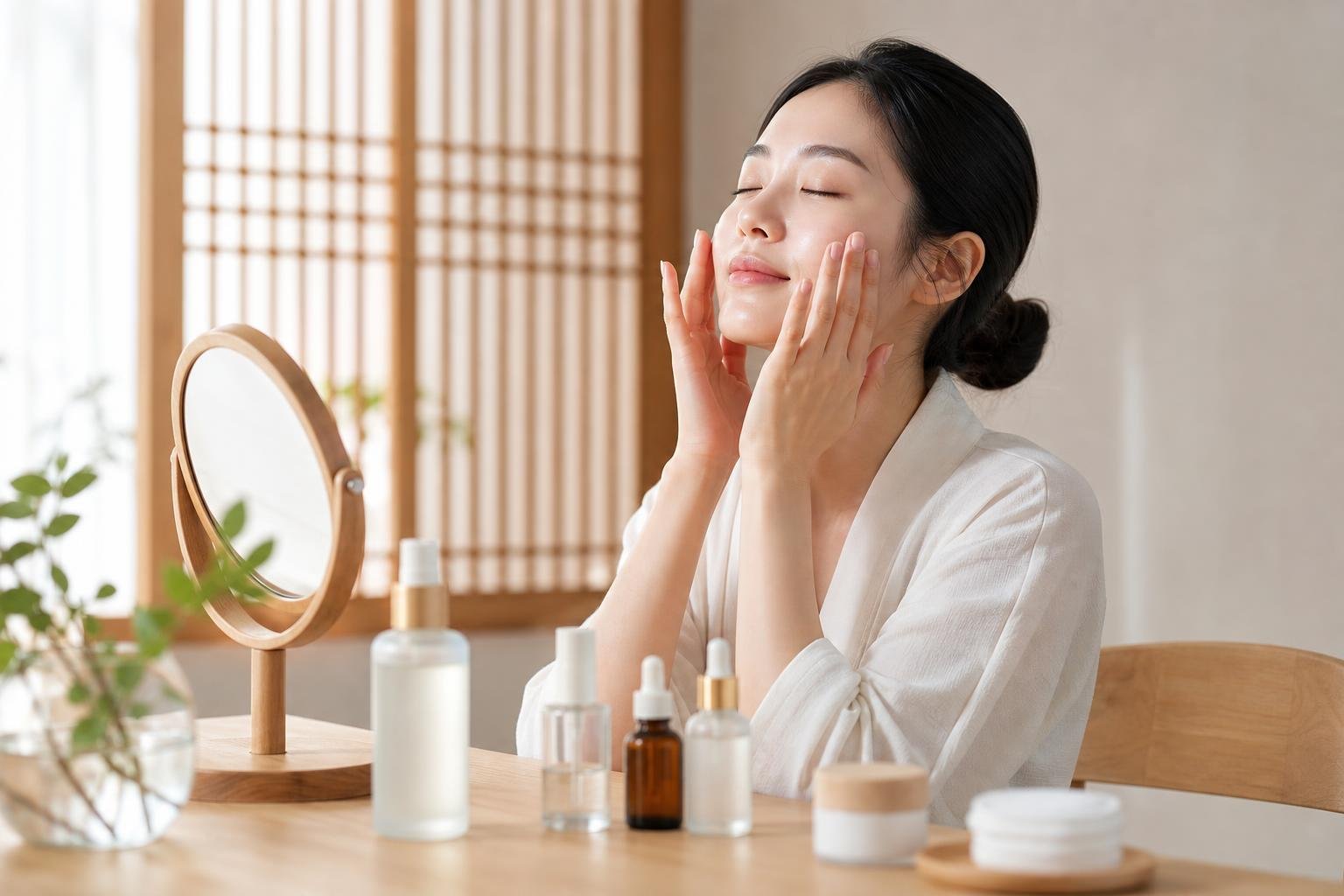
Beauty is unusually portable because it can move as a product, a tutorial, a routine and a promise of expertise. A short clip may demonstrate texture, layering or finish without requiring the viewer to understand Korean dialogue. Packaging can carry a brand story across borders, while subtitles and creator commentary turn unfamiliar product categories into a usable routine. That flexibility helps explain why cosmetics can become cultural content in their own right rather than merely merchandise.
But “K-beauty” is not one formula, one skin ideal or one consumer practice. International content frequently centres a dewy finish, elaborate-looking preparation or novelty formats because those are visual and easy to narrate. The more ordinary reality includes individual skin concerns, price limits, seasonal changes and preferences that seldom fit a viral caption. A product’s Korean origin should not be treated as a guarantee of suitability, nor should a creator’s result be presented as a universal outcome.
The commercial machinery is increasingly explicit. An Instagram post surfaced in the search material cited a Morgan Stanley forecast of a $4 billion U.S. K-beauty market and predicted intensified retail competition through late 2026. Because the post itself is not the underlying research, it is not a basis for treating the number as independently verified. Its value is diagnostic: market forecasts are now part of the language surrounding Korean beauty, and retailers have strong reasons to turn cultural interest into a durable product category.
That can broaden access. It can also narrow the story to what is easily stocked abroad. The Korean context is more faithfully retained when a product is described with clear ingredients, intended use and pricing rather than vague claims that it delivers a national secret. Audiences participate more thoughtfully when they ask what a product does, not merely what a celebrity-adjacent feed says it represents.
Food and travel: participation moves from viewing to place
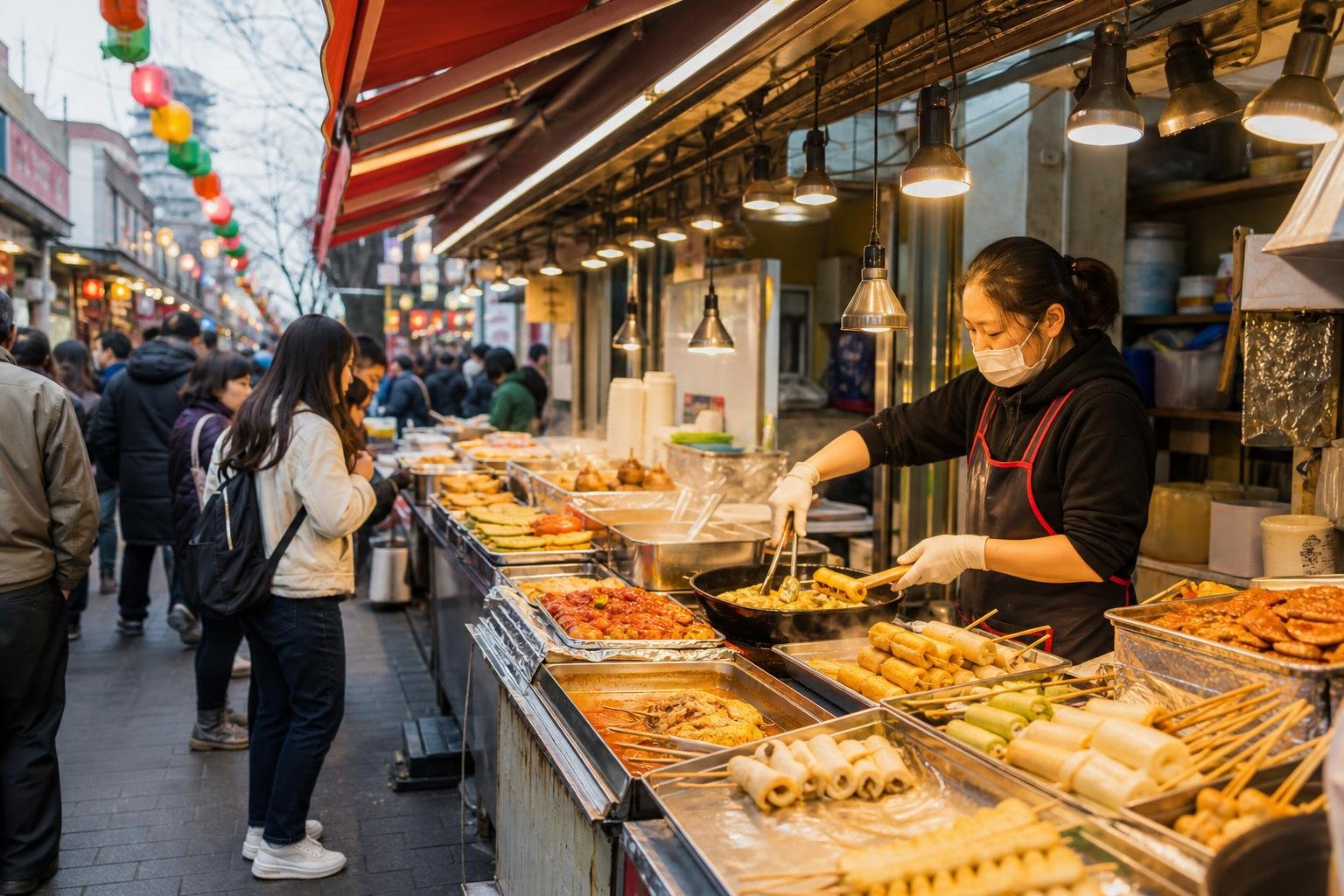
Food and travel are where lifestyle imagery most visibly becomes a route through a city. An Arirang News post dated August 18, 2026 described its Korean Lifestyle segment as a look at daily life through street food and travel destinations. That is a modest but useful editorial signal: these are recurring lifestyle-adjacent subjects, not just peripheral attractions to music news.
Street food translates well online because the action is immediate: heat, texture, assembly, payment and a visible reaction. Yet a viral close-up rarely tells viewers where a stall operates, whether it is seasonal, what local customers order, or whether the food is representative of a larger regional cuisine. Travel posts make a similar compression. A photogenic alley, market or café can become “Korea” in a caption, even though it is one address with its own crowd patterns and business model.
The better form of participation is specific. Name the district when it is known. Check opening times and etiquette directly with a venue before travelling. Treat a recommendation as a lead rather than a guarantee. At home, identify a dish by its Korean name and ingredients instead of presenting a heavily adapted version as the definitive original. Translation is not a betrayal when it is acknowledged; it becomes misleading when adaptation is hidden behind a broad national label.
Food is also a useful corrective to the idea that a trend exists only when it sells a branded object. A meal can travel through family cooking, a local restaurant, a subtitled program and a creator’s recreation. Its staying power depends less on a single viral spike than on repeat cooking, repeat visits and a community capable of explaining it beyond the image.
Design reaches the feed through rooms, not manifestos
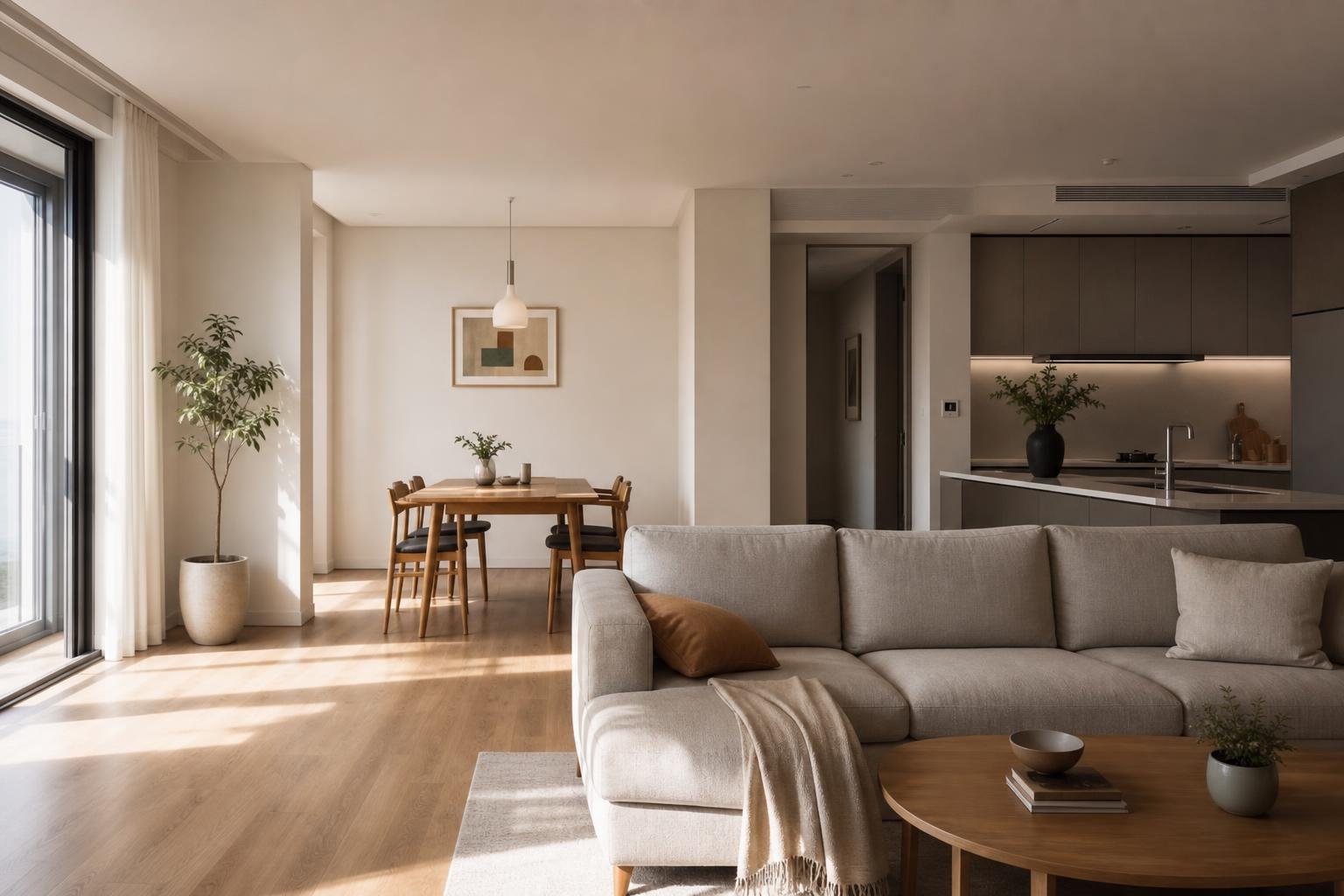
Home and interior design belong in this conversation, but with particular caution. The available search material includes an Arirang News post from August 7, 2026 that grouped interior design with Korean literature and reality television in a segment on cultural-content trends. It establishes that interiors are being presented as part of the broader K-culture conversation. It does not establish a single Korean interior style, a dominant colour palette or a definitive international design movement.
That missing certainty is important. Photos of low furniture, soft lighting, neat storage, small dining tables or neutral surfaces may be widely reposted, but they do not automatically share one origin. Some references are rooted in domestic architecture, some in global minimalism, some in property marketing, and some in an individual’s taste. The international feed favours rooms that look calm and copyable; lived spaces also contain work, laundry, family objects, clutter and compromises.
A more accurate way to borrow the idea is to focus on the condition shown rather than claim ownership of a national aesthetic. A reader might use a compact storage solution, make room for floor-level dining or choose warmer lighting because it suits their home. Calling every understated room “Korean” adds little. Naming the creator, neighbourhood, building constraints or source of inspiration, when known, adds much more.
Platforms decide what becomes legible abroad

The supplied search results are themselves a snapshot of platform power. Alongside official culture coverage, they are dominated by Instagram and Facebook posts: short-form claims about Korean fashion, consumer behaviour, retail opportunity, food, travel and interiors. That concentration does not measure popularity. It shows how quickly lifestyle discourse is now packaged in social formats where a claim can travel farther than its source.
Platform language encourages compression. “Korean streetwear” can stand in for many designers, shops and scenes. “Korean skincare” can collapse different brands and skin needs into a single promise. “Korean home” can turn a private room into a design rule. Captions often replace provenance with mood, especially when videos are reposted without the original Korean-language narration, location tag or date.
For viewers, a few checks can protect context without draining the pleasure from discovery. Find the earliest post rather than relying on a repost. Look for a Korean place name, creator credit or original caption. Compare subtitles with visible details and be alert to captions that give a recycled clip a new meaning. If a post promises that “everyone in Korea” follows a habit, treat that as a marketing claim until it is supported by wider reporting or research.
Creators are translators here, not neutral conduits. They decide what to subtitle, crop, test, recommend and affiliate-link. Tourism bodies and brands make similar choices at institutional scale. That does not invalidate their work, but it changes how it should be read: as an invitation with an interest behind it, not a census of everyday Korea.
Commercial influence and the test of staying power
The strongest Korean lifestyle currents tend to have more than one route of circulation. They are visible inside Korea as well as abroad; people can repeat the activity without needing a rare product; creators or institutions can explain its context; and interest persists after the original clip disappears. Beauty has these advantages because it has retail infrastructure and a large tutorial culture. Food gains them when recipes, restaurants and travel interest reinforce one another. Design is more fragile when it depends only on a photograph detached from its space.
Attention can still be commercially useful long before it becomes culturally durable. A brand may sponsor a creator, a retailer may build a display around a country label, and a tourism campaign may amplify a small number of locations. None of that is inherently cynical. It is how cultural interest is converted into access, jobs and sales. The key editorial distinction is between a campaign’s desired outcome and an independently demonstrated change in how large numbers of people live, buy or travel.
The precise limitation in the current material is that it provides no authoritative, trend-by-trend ranking for 2026, no consistent origin trail for named microtrends, and no reliable measure of longevity. It would be misleading to manufacture a “top 10” from promotional snippets and viral posts. What can be said is narrower: beauty, music, street food, destinations and interiors recur in the available material, while social platforms and official cultural promotion help make them internationally visible.
Seen this way, the appeal of Korean lifestyle trends lies in connection rather than imitation. They offer audiences ways to move from a song or drama into products, places, meals and rooms. The most durable encounters leave that chain of connection visible: they credit the people and locations involved, allow for translation and adaptation, and resist the comforting but inaccurate idea that one polished feed can contain a whole country.
Sources and verification
- Culture – KOREA.net / Primary or official (2 days ago)
- [FULL] K-Culture Dive (2026-08-18) [K-Enter] The Grammys … – Facebook · Arirang News / Other search result
- [FULL] K-Culture Dive (2026-08-19) [K-enter] K-pop artists … – Facebook · Arirang News / Other search result
- [FULL] K-Culture Dive (2026-08-07) ▪ [K-Enter] STRAY KIDS … – Facebook · Arirang News / Other search result
Frequently Asked Questions
Are Korean lifestyle trends the same as Hallyu?
No. Hallyu broadly describes the international circulation of Korean popular culture. Korean lifestyle trends are one effect of that circulation: beauty products, food, travel imagery, interiors and shopping habits become more visible because music, dramas, creators, brands and institutions create pathways into them.
How can I tell whether a Korean trend is genuinely established?
Look beyond one viral post. A stronger signal includes repeated participation, activity in Korea as well as overseas, identifiable creators or businesses, clear context, and interest that lasts after a campaign or clip. A hashtag view total, sponsored reel or retailer prediction alone cannot establish broad adoption.
Why are beauty products so central to Korean lifestyle trends?
Beauty travels easily as both content and a purchasable item. Arirang News reported beauty products at 62.4% in a referenced consumption survey, just ahead of music at 62%. The post did not provide methodology, so the figure indicates prominence in that survey rather than a universal consumer ranking.
Explore more K-culture stories
RECOMMENDED SITE
Planning a trip to Korea?
Discover practical Korea travel guides, local tips and destination ideas at KoreaSpot.