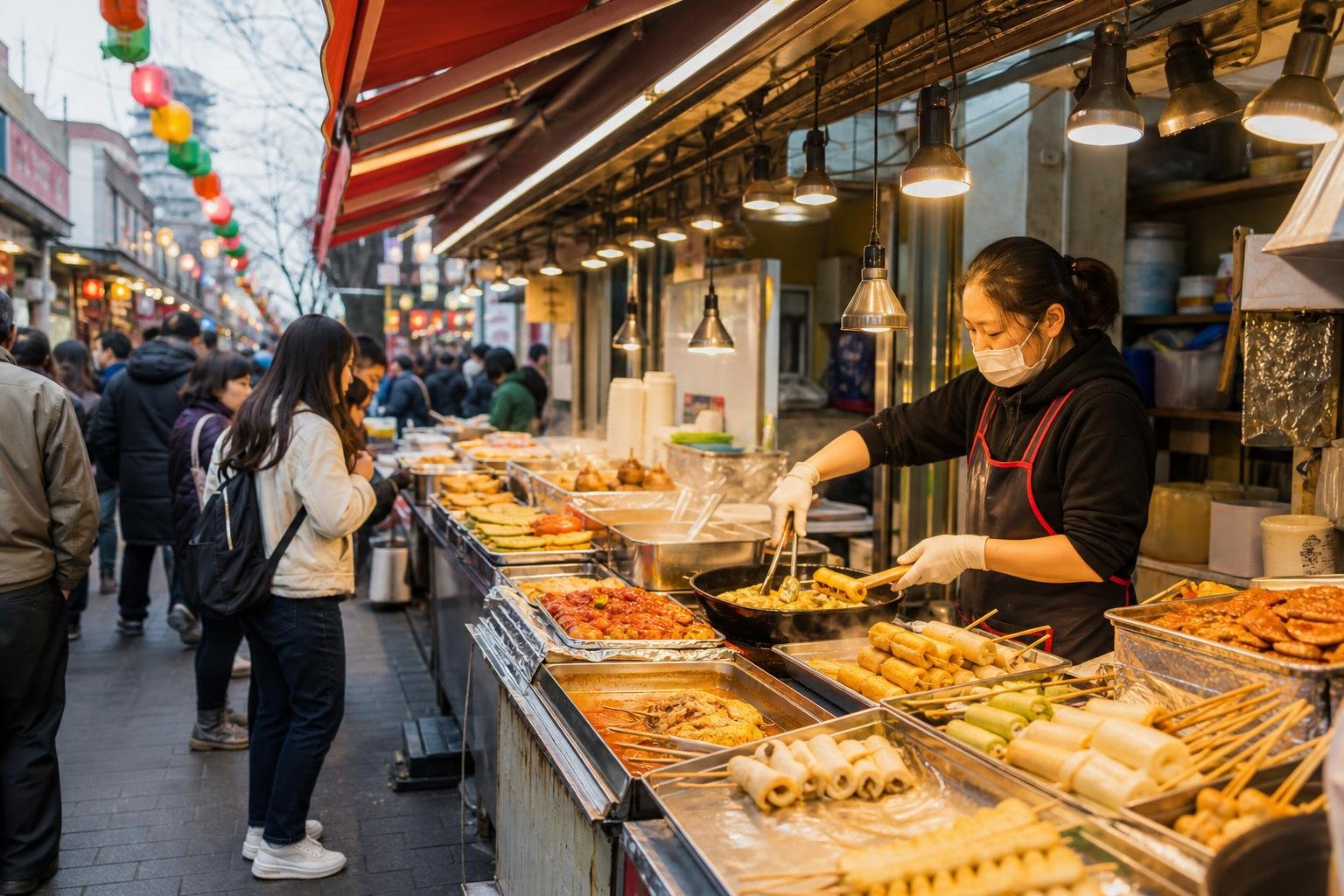
Header image: AI-generated editorial illustration; not a product photograph or documentary image.
The 2026 Overseas Hallyu Survey shows how people abroad who have experienced Korean content engage with music, food, beauty and other parts of the Korean Wave. Its findings come from 2025 fieldwork. That makes it useful background for understanding those interests, while a current shopping trend or everyday life in South Korea needs more specific evidence.
What the survey actually measures
KOFICE and Korea’s Ministry of Culture, Sports and Tourism published the results on March 30, 2026. The online survey covered 27,400 local residents aged 15–59 in 30 overseas countries and regions who had experience of Korean cultural content. Fieldwork ran from November 13 to December 12, 2025.
The release reports food, music, beauty and drama among the categories perceived as widely popular in respondents’ countries. It also describes discovery through social and short-form media leading into longer viewing. These findings concern a defined audience and period; they should not be rewritten as a percentage of the entire world or as proof that one product dominates Korea.
| Label in an article | Question to ask |
|---|---|
| 2026 survey | When was the behavior actually measured? |
| Popularity | Is this respondents’ perception, use, spending or a sales count? |
| Global | Which countries, age groups and eligible respondents are included? |
| Growth | Were the sample and questions comparable across years? |
Three concrete ways lifestyle interest becomes visible
Beauty moves into physical shopping. CJ’s own newsroom reports that Olive Young opened its first U.S. store in Pasadena on May 29, 2026. That is evidence of a specific retail expansion. It does not prove that every Korean skincare category is growing equally or that the store’s products suit every shopper.
Fashion becomes a wardrobe decision. A brand collection or store opening can make Korean fashion easier to encounter. For a reader, the useful next step is to examine garment measurements, fabric and care needs. A widely shared outfit is inspiration, while the product page supplies purchase details.
Food becomes a repeatable everyday activity. A convenience-store clip can prompt someone to try a meal combination. The practical information is the product label, preparation method and budget. The number of clips you see does not tell you how often a whole population eats that combination.
Separate discovery, adoption and national habit
Consider a hypothetical video of a skincare shelf with one million views. The view count describes exposure on that platform. It does not establish how many different people watched, bought a product, used it repeatedly or changed a long-term routine. Each step requires different evidence.
A crowded pop-up offers a snapshot of one place and moment. To call it a lasting sales trend, you would need figures across time; to describe everyday habits, you would need research about the people making those choices. The photo can start a question, but it cannot answer all of them.
Use trends without letting them choose for you
- Name what attracted you: a dish, garment, product texture, show or place.
- Find its original maker, organizer or official information page.
- Separate the source’s factual details from its promotional wording.
- Check the practical constraint: ingredients, sizing, cost, accessibility or time.
- Try one manageable step and judge whether it fits your life.
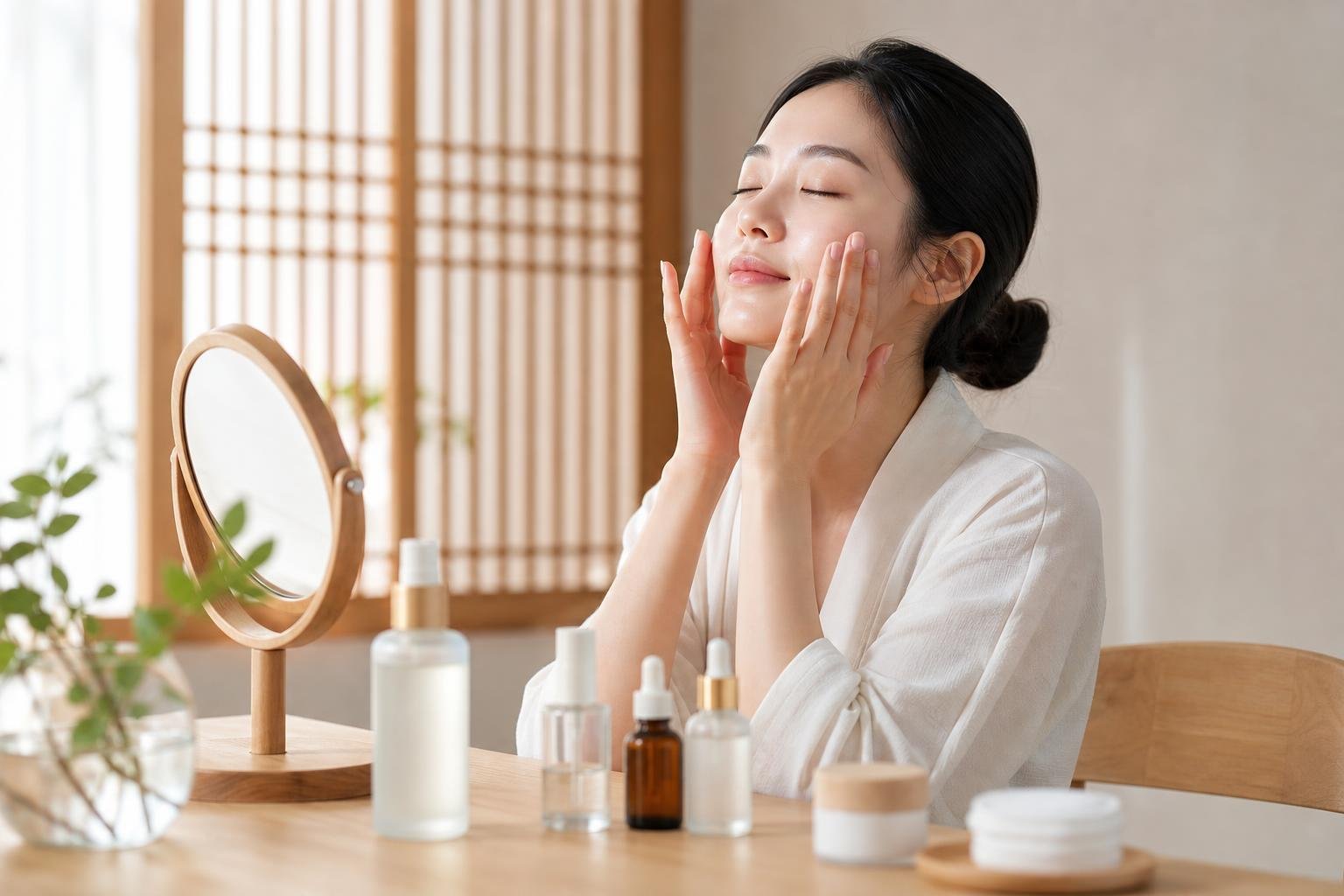
For example, a beauty-store visit can be a chance to compare textures rather than buy a complete routine. A clothing reference can inspire a proportion change using something you already own. A food clip can lead to one labeled meal rather than an assumption about “the Korean way” to eat.
Use the related guides below to take the next step, whether that is planning a store visit, comparing clothes or choosing a meal. The survey provides the wider context for those individual decisions.
Frequently asked questions
Does the 2026 survey describe behavior during all of 2026?
No. The cited survey is based on 2025, with fieldwork in November and December of that year.
Does a viral Korean product represent daily life in Korea?
Not by itself. A platform post, retail event and population survey answer different questions.
Which categories should I explore first?
Choose the category that matches your interest, then use a concrete guide to food, beauty or fashion. The survey is context, not a personal shopping list.
Sources and verification
- KOFICE: 2026 Overseas Hallyu Survey release — Primary methodology and findings, based on 2025.
- CJ: Olive Young U.S. opening — A company-confirmed retail event, not an independent market-share study.