Dr.Jart Ceramidin Cream: What the Ceramidin Line Is Designed to Do

Dr.Jart Ceramidin Cream editorial guide

Dr.Jart Ceramidin Cream is best approached as a barrier-care moisturizer for skin that feels dry, dehydrated, tight, or less comfortable after cleansing. The current positioning of Dr.Jart+’s Ceramidin range is clear at line level: the brand describes Ceramidin, alongside Cicapair, as part of its Korean skincare offer focused on skin-barrier care, hydration, and gentle yet effective formulas. That makes this cream a plausible category fit for someone seeking a richer final moisturizing step, not a stand-alone treatment for every skin concern.

Dr.Jart Ceramidin Cream editorial guide
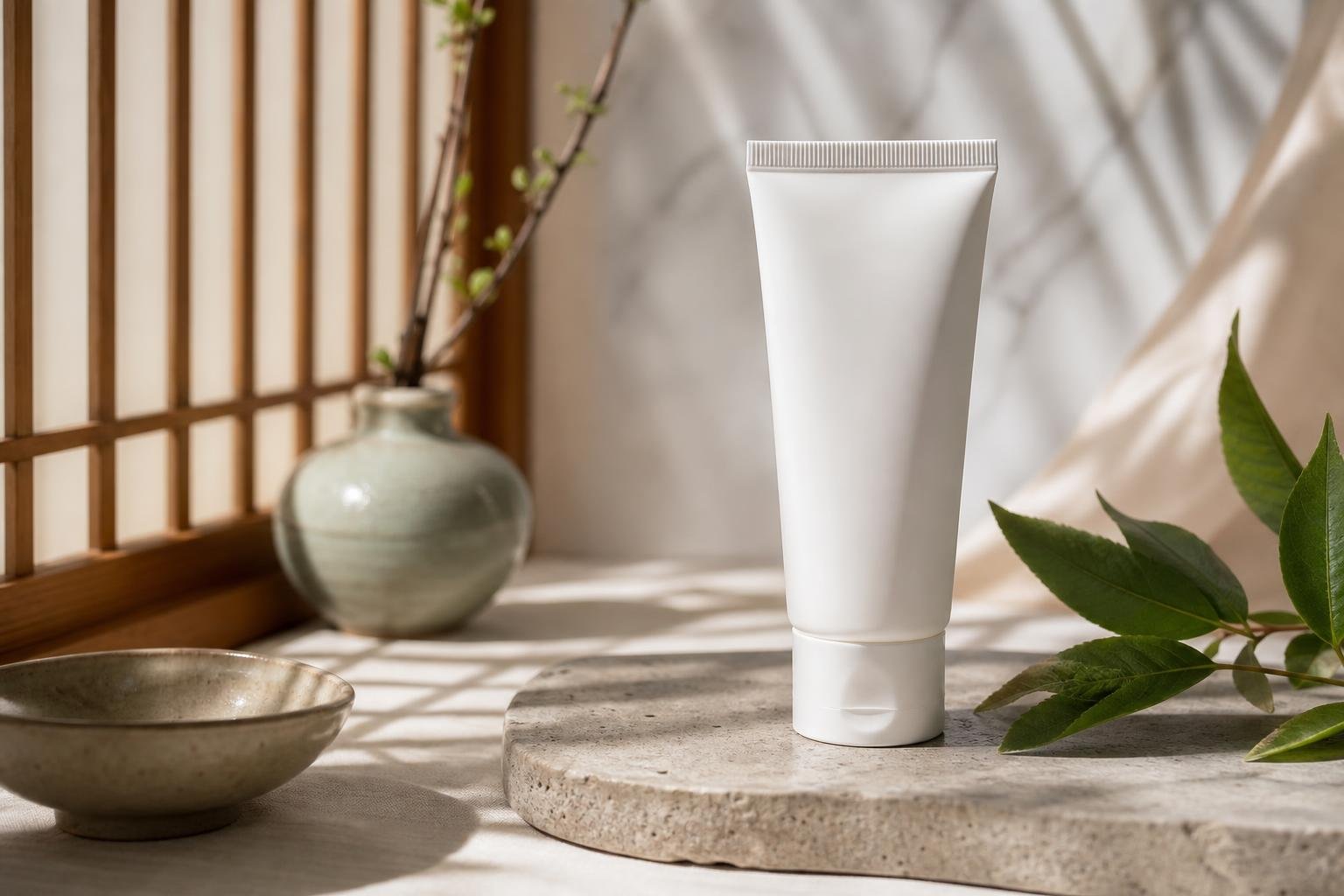
Original editorial illustration for licensed editorial photo Korean skincare moisturizer tube

For a shopper trying to decide quickly, the appeal is not an anti-aging promise or a miracle “barrier repair” claim. It is the prospect of keeping water in the skin and reducing the uncomfortable, exposed feeling that can accompany a disrupted moisture barrier. The important purchase question is more personal: does the current cream’s full formula, finish and price suit your skin and routine?

What Dr.Jart Ceramidin Cream is designed to do

On its official website, Dr.Jart+ presents Ceramidin as a line connected with hydration and skin-barrier care. In ordinary skincare terms, that points toward a moisturizer designed to help the outermost layer of skin hold onto water and feel more comfortable. The skin barrier is often discussed as a wall, though it is better understood as a working protective surface made up of skin cells and lipids. When that surface is depleted or stressed, skin can feel rough, look dull, and become less tolerant of an otherwise familiar routine.

A barrier-focused cream does not need to make a dramatic claim to be useful. Its role is often straightforward: support a routine that has become too drying, seal in lighter hydrating layers, and give dry skin enough emollient comfort to avoid the cycle of cleansing, tightness and repeated product experimentation. That role can be especially welcome in cold weather, air-conditioned spaces, low-humidity travel, or during a period when a person has simplified an overactive routine.

The word “Ceramidin” naturally directs attention to ceramides. Ceramides are skin-identical lipids associated with the structure of the outer skin barrier. In a moisturizer, a ceramide-focused approach generally aims to support the lipid environment that helps limit moisture loss. Formula context still matters. A product’s overall performance depends on its complete ingredient list, the balance of water-binding ingredients, emollients and occlusive ingredients, as well as fragrance and other potential irritants. A prominent ingredient family is not a complete formula review.

Who is the most plausible match?

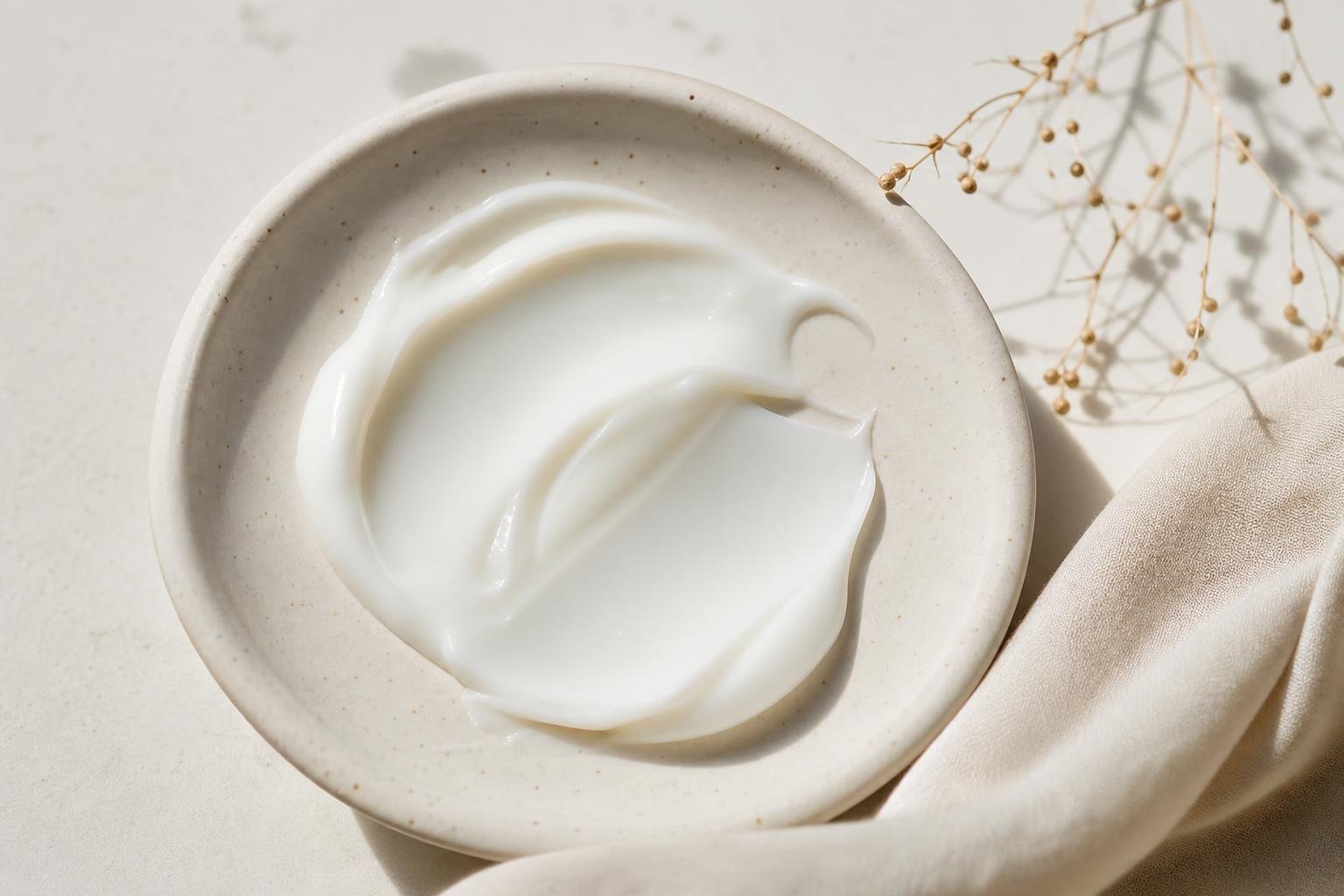
Original editorial illustration for licensed editorial photo ceramide face cream texture

The strongest likely audience is someone with dry skin or skin that regularly feels dehydrated. Those descriptions overlap, though they are not identical. Dry skin relates to a relative shortage of skin oils and lipids; dehydration describes a lack of water in the skin and can occur even in an oilier complexion. A cream marketed around hydration and barrier care can make sense in both cases, provided its actual weight and ingredients feel comfortable on the wearer.

Look at the rhythm of your skin, not only its category on a quiz. Skin that feels tight soon after washing, catches on makeup, develops flaky-looking patches, or demands another layer of moisturizer by afternoon is asking for more comfortable moisture retention. A barrier-oriented face cream is a sensible category to investigate in that situation. It is also a more restrained move than immediately adding exfoliating acids, strong cleansing products, or several new active serums at once.

Mature-looking skin can also be a reasonable audience for a moisturizing cream, because comfort and hydration remain relevant at every age. Hydrated skin often looks temporarily smoother and more supple simply because dry surface texture is less apparent. That is not the same as treating wrinkles, changing skin biology, or replacing proven medical care. Dr.Jart+’s accessible brand-level Ceramidin description centres hydration and barrier care; it does not establish a wrinkle-treatment claim for this exact cream.

People with combination or oilier skin should not automatically rule out a barrier cream. Their deciding factors are usually the cream’s real texture, the amount used, climate, and how many other emollient products already appear in the routine. A heavier cream can be welcome on dry cheeks in winter and feel excessive across an oily T-zone in humid weather. There is no reliable way to predict that fit from the Ceramidin line description alone.

What remains to be checked on the current product

One precise information gap shapes any responsible assessment of this product: the accessible official line page does not provide an exact current listing for the cream’s complete INCI list, size, directions, fragrance status, price, packaging format, or documented finish. Those details should be checked on the carton, the tube or jar, or a current official product listing before purchase. They determine much more than marketing language does, particularly for people who react to fragrance, have acne-prone skin, or need to know how a moisturizer layers under sunscreen and makeup.

That check is also useful because beauty formulas and regional assortments change. Confirm that the item in front of you is explicitly named Ceramidin Cream, then photograph or read the ingredients panel before opening it. If an ingredient has caused trouble in the past, compare it with your own avoidance list. If fragrance is a concern, rely on the current package declaration, not old reviews, social clips, or a retailer description that may refer to an earlier version.

How to place it in a routine

A cream in this category generally belongs near the end of a routine, after lighter leave-on products and before daytime sunscreen. The aim is to use it as the layer that helps hold in the hydration applied earlier. In the morning, sunscreen remains the final skincare step. At night, the cream can be the final layer unless a clinician has advised a different regimen.

Keep the first few uses uncomplicated. Pairing a new moisturizer with a new exfoliant, retinoid, cleansing balm and mask makes it difficult to identify the source of irritation or congestion. If your routine already includes a potentially drying active, introduce one product at a time and watch how your skin behaves over several days. A cream cannot cancel out irritation caused by using an active too frequently.

Patch testing is sensible with any unfamiliar cosmetic, especially after a history of sensitivity. Apply a small amount to a limited area according to the package directions and stop using it if you experience persistent burning, swelling, rash or marked discomfort. Cosmetics can support the feel and moisture balance of skin; they are not a treatment for eczema, infection, allergic reactions, or ongoing inflammatory skin conditions.

Dr.Jart Ceramidin Cream versus CeraVe: the useful comparison

The common Dr.Jart+ versus CeraVe question is understandable, though it is not a single head-to-head contest. CeraVe is a brand with multiple moisturizers, and the relevant comparison is one current cream against another current cream with visible ingredient lists, sizes and prices. Without those exact listings, declaring one product “better” would turn a practical choice into a brand popularity contest.

Start with formula priorities. Compare the complete INCI lists for ceramides and other barrier-supporting ingredients, then check for ingredients you avoid. Next, compare the intended format and finish described by each manufacturer. A shopper who needs a simple, low-friction everyday moisturizer may value one approach; someone seeking a more sensorial Korean skincare experience may value another. Neither preference proves superior barrier support on its own.

Value should be calculated in usable terms, not only shelf price. Check the amount of product in the package, how much you typically need per application, how often you use it, and whether you can repurchase it easily where you live. A cream that is lovely in a tiny package may be less practical as a twice-daily face moisturizer than as a targeted dry-area product. Availability matters too: a reliable replacement is useful when your skin is finally settled.

For irritation potential, read the actual label rather than treating either brand as universally gentle. A familiar drugstore name does not guarantee compatibility, and a premium K-beauty brand does not automatically mean a more sophisticated fit. Individual tolerance, climate and the rest of the routine carry substantial weight.

Purchase checks that matter more than the product’s reputation

Original editorial illustration for licensed editorial photo dry skin moisturizer routine
  • Confirm the exact name. Ceramidin is a line, so make sure the product is specifically the cream you intend to buy.
  • Read the current ingredient panel. It is the only dependable route to assessing fragrance, known personal triggers and the formula’s broader moisturizing structure.
  • Check size and price together. Calculate what the pack costs for your own daily use, especially if you plan to use it morning and night.
  • Look for current directions. Use the manufacturer’s instructions for amount, frequency and placement in the routine when available.
  • Buy from a source with intact packaging and a clear return policy. This is particularly useful when formula feel is unverified before purchase.

The right buyer for Dr.Jart Ceramidin Cream is someone drawn to Dr.Jart+’s stated hydration-and-barrier-care direction and prepared to verify the exact current formula before committing. It belongs most naturally in a pared-back routine for dryness or dehydrated-feeling skin, where a satisfying final moisturizer matters more than a long list of unsupported promises.

Sources and verification

Frequently Asked Questions

What is Dr.Jart Ceramidin Cream good for?

Dr.Jart+ positions the Ceramidin line around hydration, skin-barrier care and gentle yet effective formulas. That makes the cream most relevant to people seeking moisture retention and surface comfort for dry or dehydrated-feeling skin. Current product-specific claims, ingredients and directions should still be checked on the package.

Is Ceramidin suitable for older skin?

A barrier-focused moisturizer can be useful for mature-looking skin because hydration can improve day-to-day comfort and reduce the look of dry surface texture. Age alone does not determine skin type. The available brand information does not support treating this cream as a wrinkle treatment or a medical product.

Is Dr.Jart+ better than CeraVe for a damaged-feeling barrier?

Neither brand is universally better. Compare the exact current creams by full ingredient list, fragrance declaration, format, price per amount, finish and your own tolerance. CeraVe and Dr.Jart+ each sell more than one moisturizer, so a product-to-product comparison is more useful than a brand verdict.